
Capability
Temporal Reconstruction
Time-travel debugging via receipt checkpoints
Temporal Reconstruction enables time-travel debugging for the CueCrux knowledge platform, allowing auditors, researchers, and compliance teams to reconstruct the exact state of any answer at any point in the past. By combining receipt chains with corpus snapshots from CoreCrux, the system can reveal precisely what evidence was available at a specific moment, what answer was produced from that evidence, and how the answer would differ if produced today.
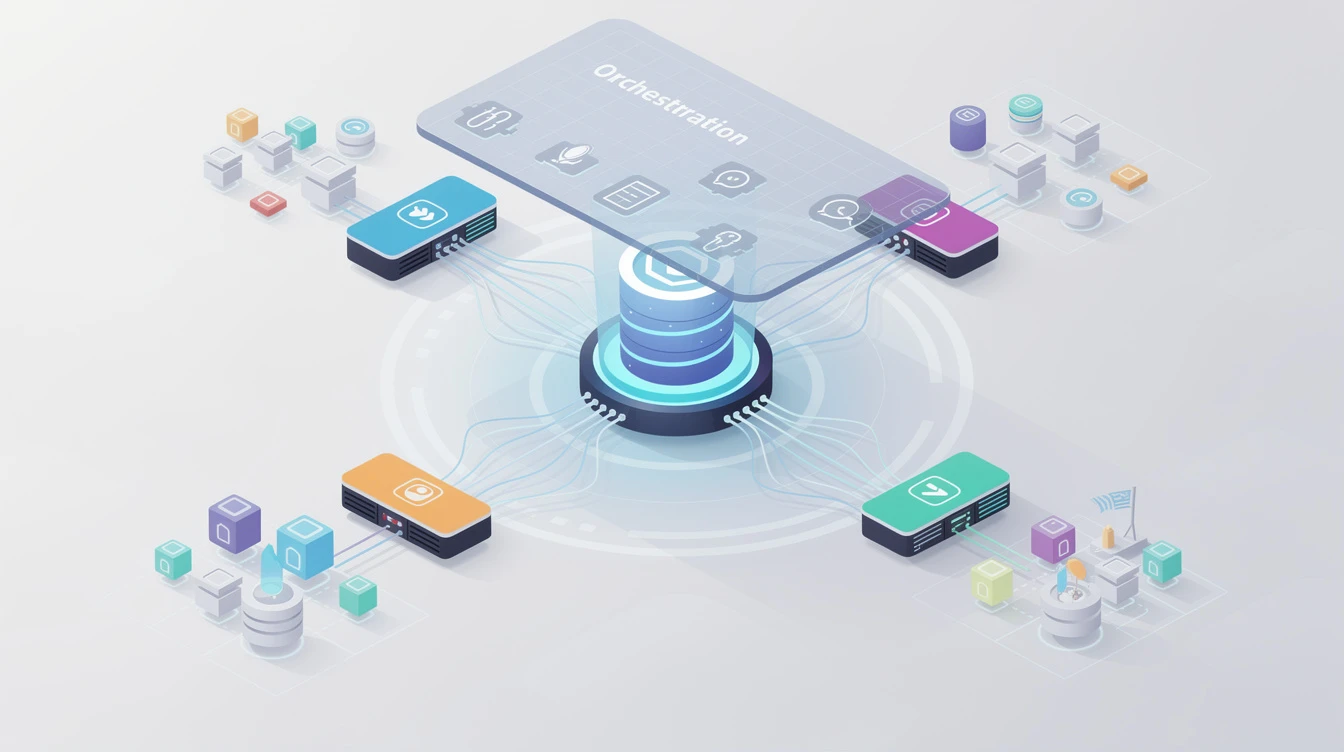
The reconstruction process begins with a timestamp and a query or receipt identifier. CoreCrux's append-only event spine is replayed up to the specified timestamp, rebuilding the corpus state as it existed at that moment. This reconstructed state includes the available chunks, their embedding vectors, the active embedding lanes, and the source metadata. Engine then re-executes the query against this historical state, producing the answer that would have been generated at that time.
The power of temporal reconstruction becomes apparent in regulatory and legal scenarios. A pharmaceutical company might need to demonstrate that its clinical trial conclusions were valid based on the evidence available at the time of a regulatory submission, even if newer evidence has since emerged that changes the picture. A financial institution might need to show that its risk assessment was reasonable given the market data available when a lending decision was made. In both cases, temporal reconstruction provides the definitive answer about what was known and concluded at the relevant point in time.
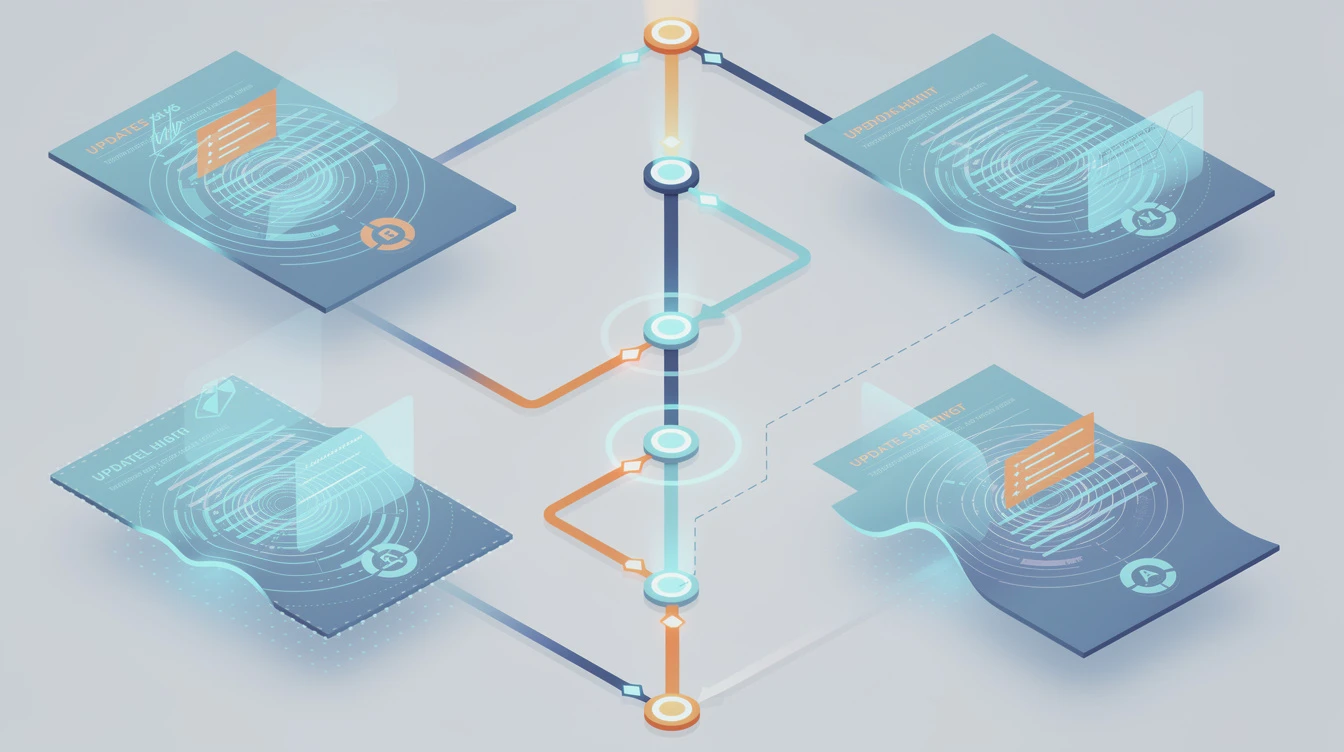
Receipt checkpoints accelerate the reconstruction process. Rather than replaying the entire event history from the beginning, the system can start from the nearest checkpoint before the target timestamp and replay only the events between the checkpoint and the target. Checkpoints are created automatically at regular intervals and at significant events like major corpus updates, ensuring that reconstruction remains fast even as the event history grows.
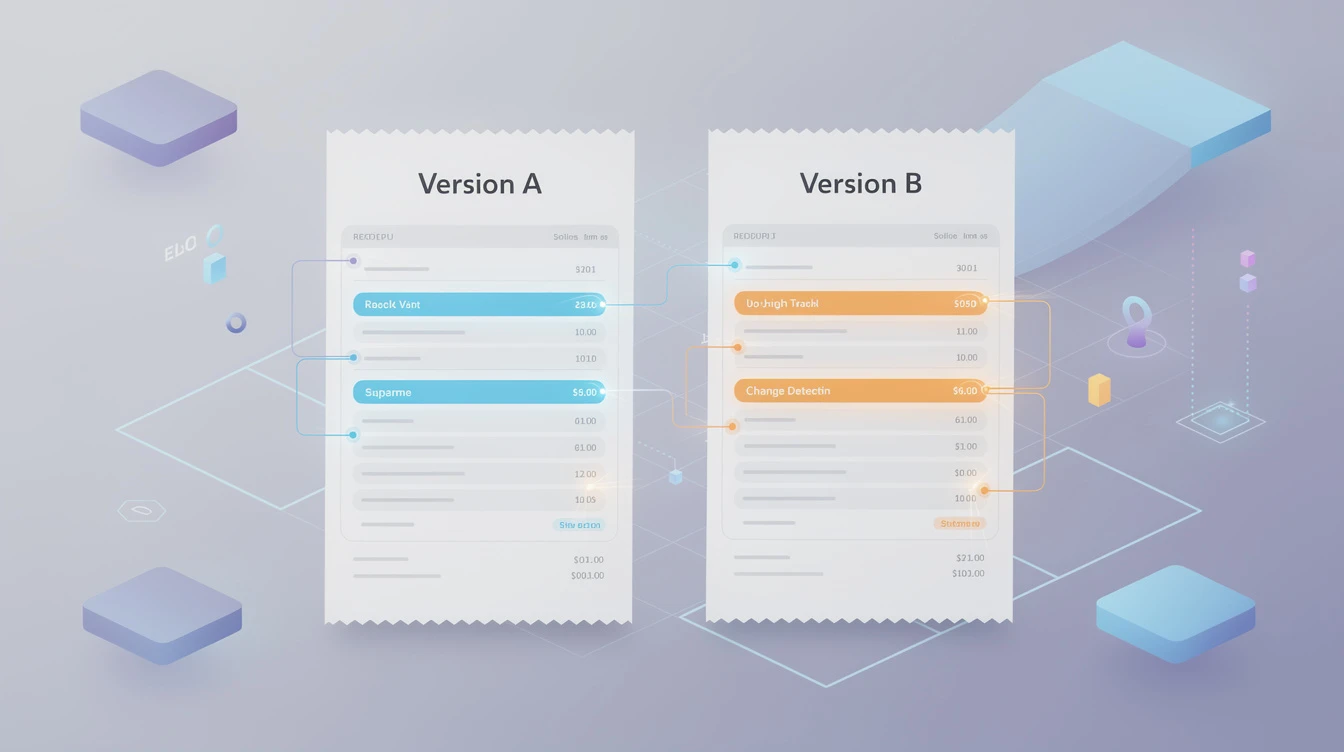
The comparison view is a key feature of the temporal reconstruction interface. Users can see the historical answer alongside the current answer, with differences highlighted at the claim level. Each difference links to the specific evidence changes that caused the divergence, whether new sources were added, existing sources were updated, or embedding models were upgraded. This comparison makes it easy to understand not just what changed but why.
Temporal Reconstruction integrates deeply with Deterministic Replay for drift classification, with Receipt Diff for visual change comparison, and with the Proof Surface for presenting reconstruction results to end users.
For the CueCrux platform, Temporal Reconstruction transforms the platform's historical record from passive archives into an active analytical tool, enabling the kind of rigorous retrospective analysis that regulated industries require and that traditional AI systems simply cannot provide.