
Core system
CoreCrux
GPU-resident append-only event spine and projection substrate
CoreCrux is the authoritative event storage backbone of the CueCrux platform, providing a GPU-resident, append-only event spine that records every meaningful state change across the entire system. Think of it as the immutable ledger that ensures nothing is ever silently lost, overwritten, or forgotten. Every artefact lifecycle event, every retrieval trace, every receipt lineage update, and every living object state transition flows through CoreCrux and is permanently recorded.
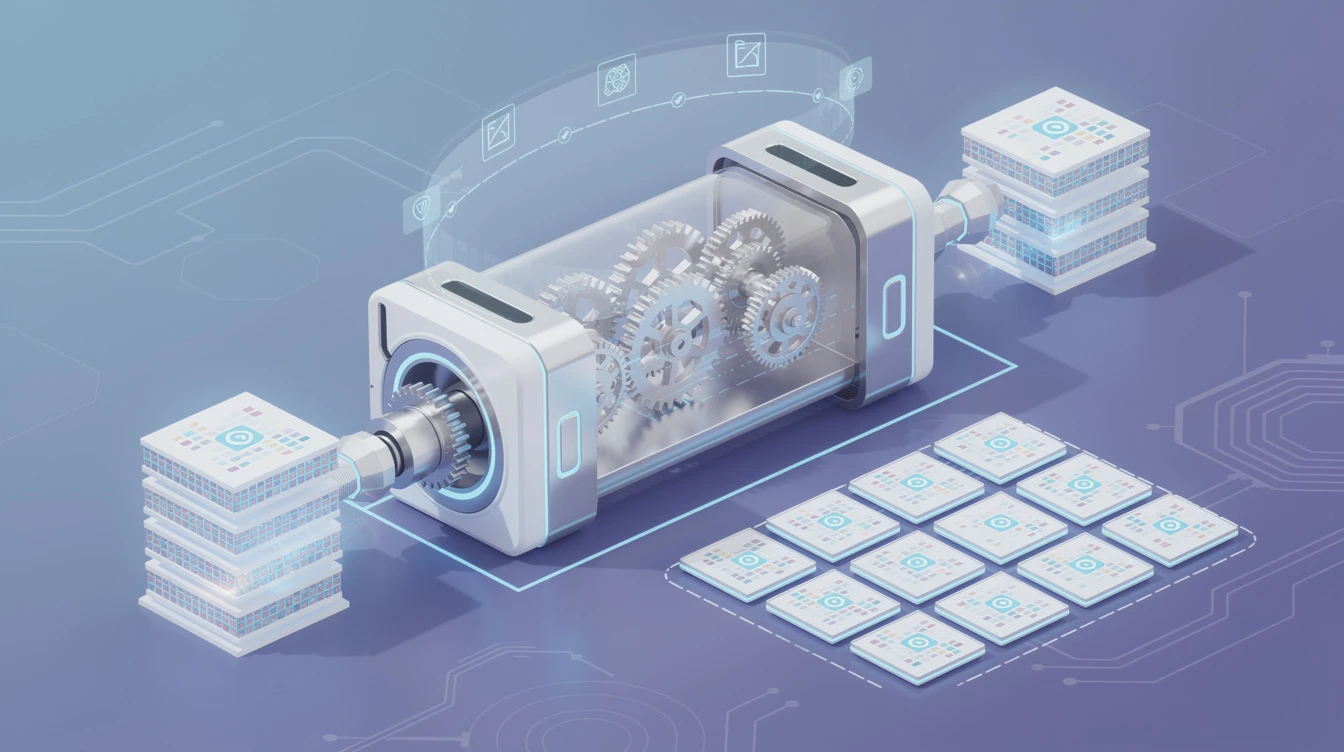
The storage architecture uses GPU-accelerated segment logs that can handle extremely high write throughput while maintaining strict ordering guarantees. Events are written to segments that are sealed and indexed once full, creating a natural checkpoint structure that supports efficient range queries over historical data. This design means CoreCrux can serve both real-time event streaming for operational use and historical deep-dives for audit purposes without requiring separate storage systems.
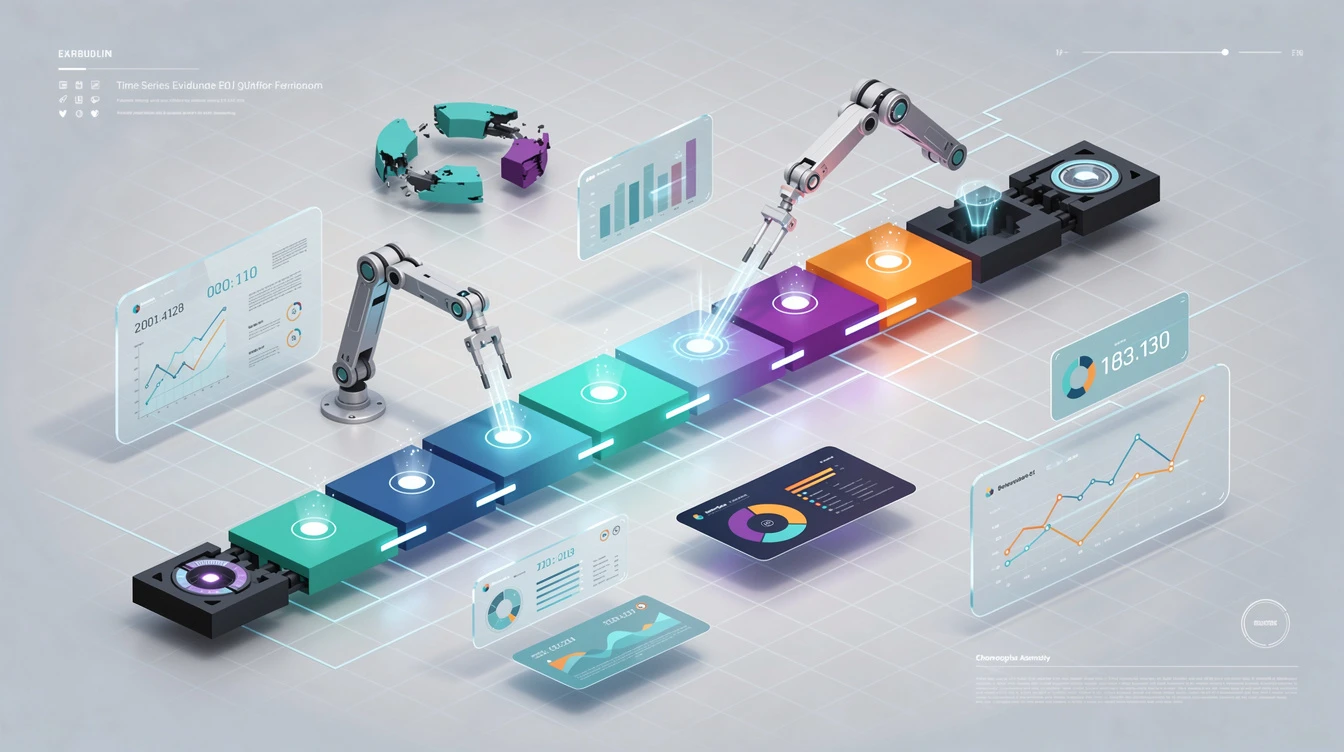
Deterministic replay is one of CoreCrux's most important capabilities. By maintaining a complete, ordered record of all events, the system allows any past state to be reconstructed by replaying events from a known checkpoint forward. This is not merely a theoretical capability but a practical tool used by WatchCrux for supervision, by the Proof Surface for evidence verification, and by audit teams for regulatory compliance. Replay packs can be exported and run independently, ensuring that verification does not depend on trusting the platform itself.
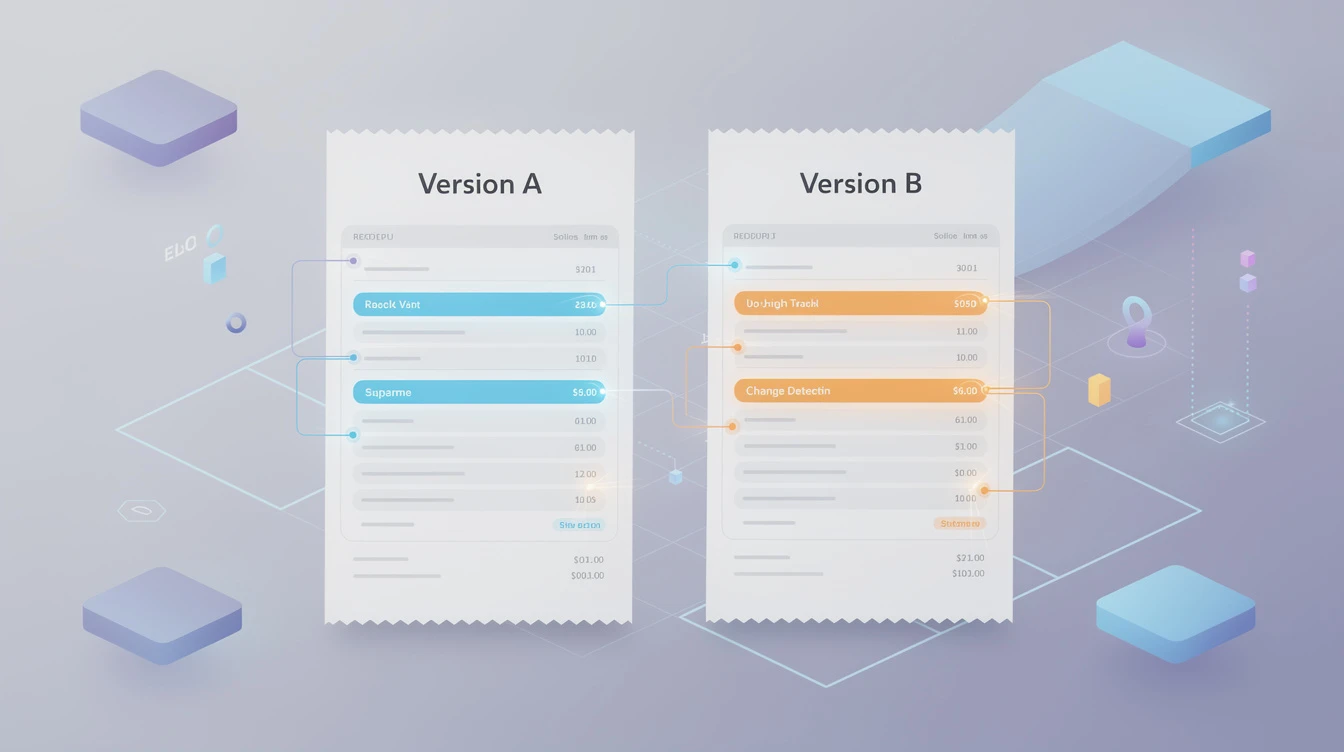
Projection snapshots complement the event log by providing materialised views of current state. Rather than replaying millions of events to answer a simple query about an artefact's current status, projections maintain pre-computed state that is kept consistent with the event stream. When a projection falls behind or encounters an inconsistency, CoreCrux flags it through its drift classification system, which categorises discrepancies as benign, material, or critical depending on their potential impact.
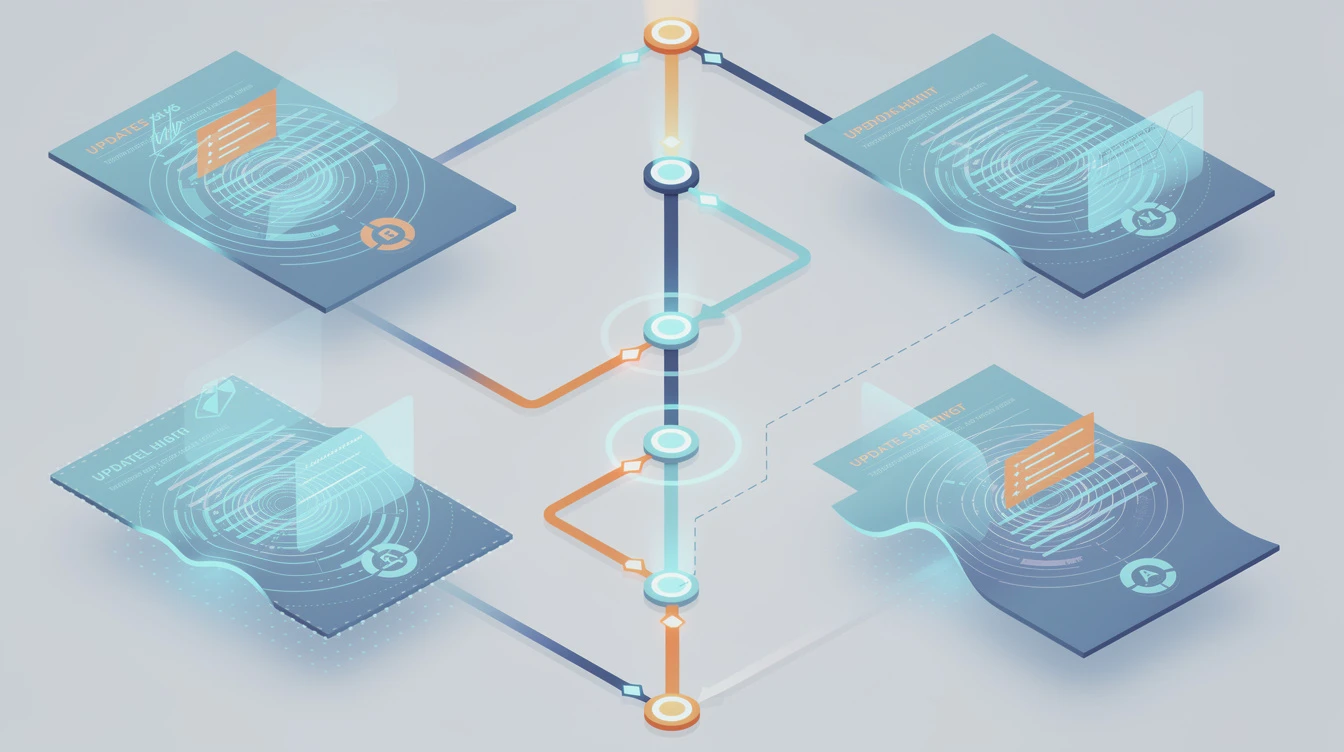
Living object states are a particularly powerful feature. Unlike traditional databases where records are static snapshots, CoreCrux treats artefacts as living entities with dependency graphs. When a source document is updated, the living object system propagates staleness signals through all dependent artefacts, triggering re-evaluation of affected receipts and answers. This ensures that the platform's knowledge remains current without requiring brute-force re-processing of the entire corpus.
CoreCrux also stores the complete lineage of CROWN receipts, creating a verifiable chain from raw ingested content through chunking, embedding, retrieval, and synthesis. This lineage is what makes CueCrux's transparency guarantees credible. Any claim about how an answer was produced can be verified by tracing back through the event spine to the original source material.
For the broader platform, CoreCrux provides the foundation that all other systems build upon. Engine reads from it during retrieval, FactoryCrux writes to it during ingestion, WatchCrux audits it for consistency, and OpsCrux monitors it for operational health. It is the single source of truth that makes the entire CueCrux ecosystem coherent and auditable.