
Capability
Living Objects
Mutable living state and dependency awareness for artefacts
Living Objects represent a fundamental shift in how CueCrux treats the artefacts in its knowledge corpus. Rather than storing documents and chunks as static, inert data that sits passively until queried, the platform treats every artefact as a living entity that actively tracks its own freshness, maintains awareness of its dependencies, and understands its downstream impact on other artefacts and answers.
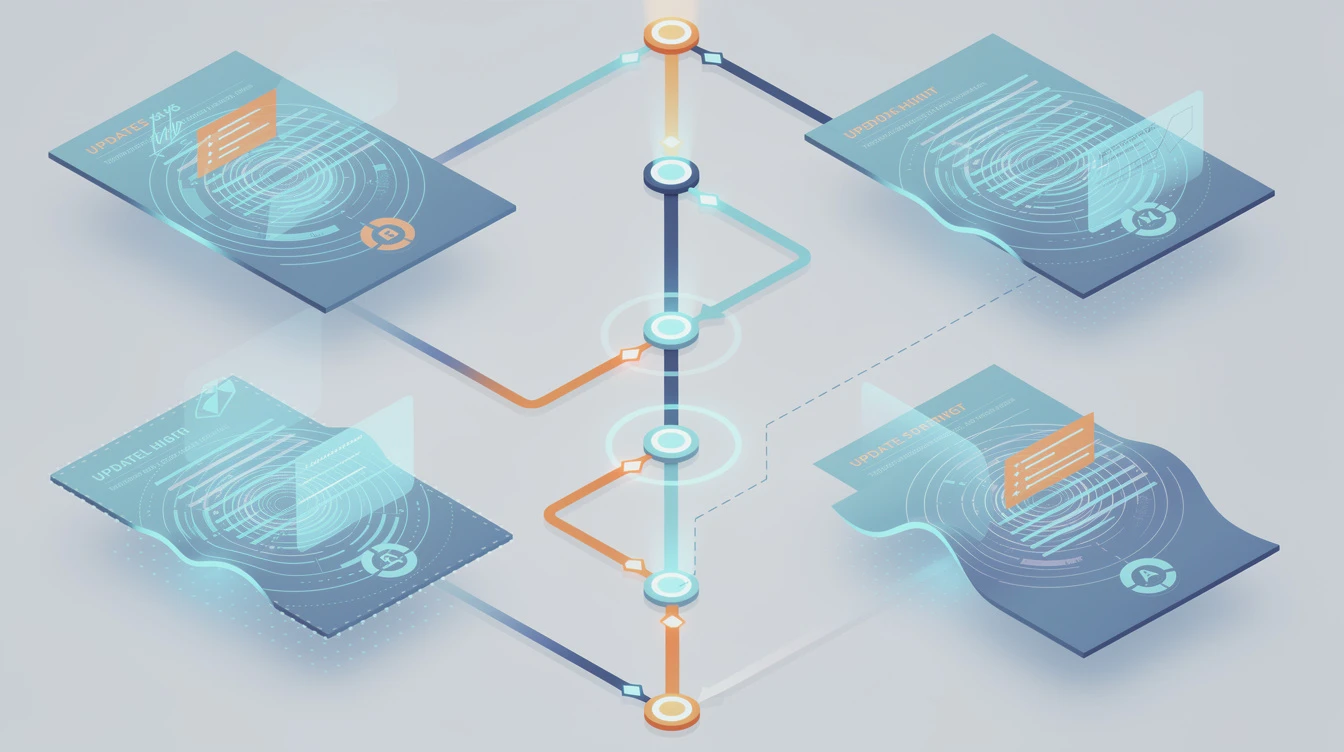
The freshness tracking mechanism ensures that every artefact knows when it was last verified against its source. When FactoryCrux re-checks a source URL and finds that the underlying document has changed, it does not simply update the corresponding chunks in isolation. Instead, it triggers a staleness propagation through the dependency graph, notifying every artefact that depends on the changed content that it may no longer be current. This propagation is recursive: if artefact A depends on artefact B, and artefact B depends on the changed source, both A and B are flagged as potentially stale.
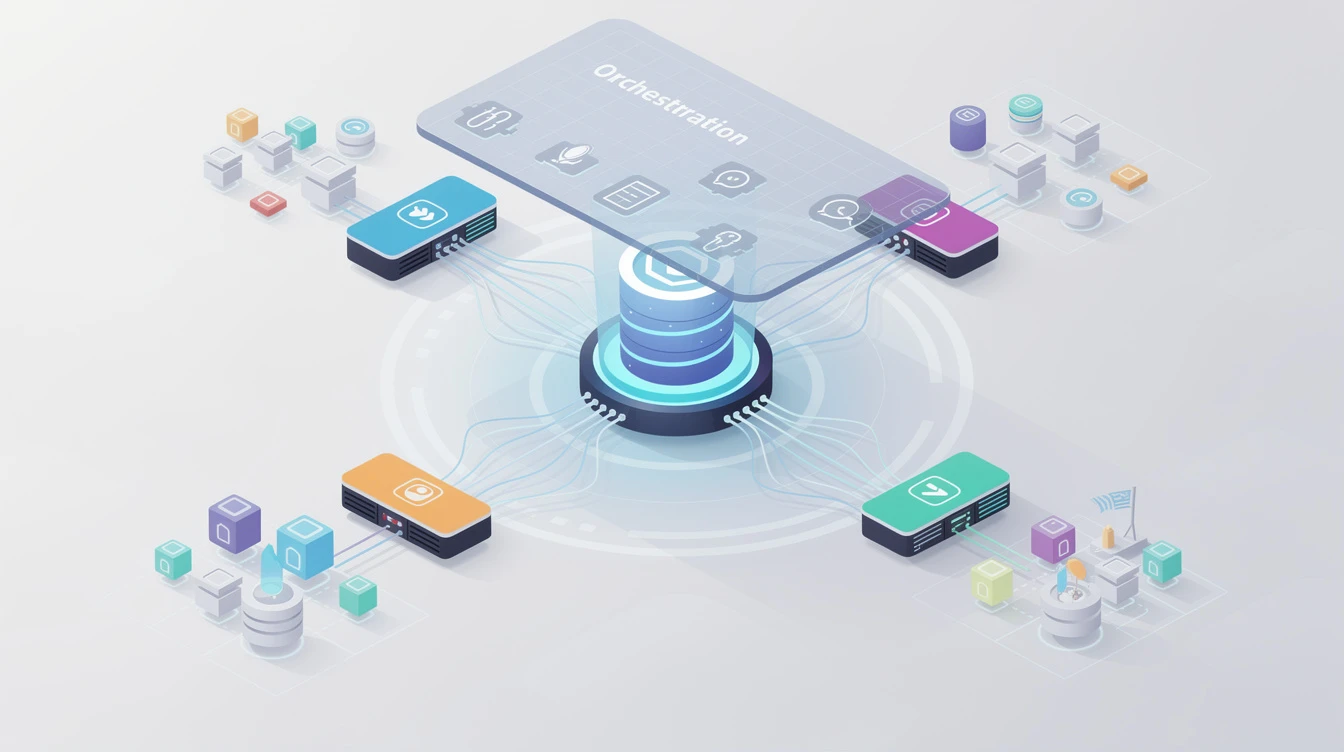
Dependency graphs are maintained by CoreCrux as part of the event spine. Every time Engine uses a chunk in an answer, a dependency edge is created between the answer's receipt and the chunk. Every time FactoryCrux derives a chunk from a source document, a dependency edge connects the chunk to the source. These edges form a directed acyclic graph that represents the complete provenance chain from raw sources through chunks and embeddings to answers and receipts.
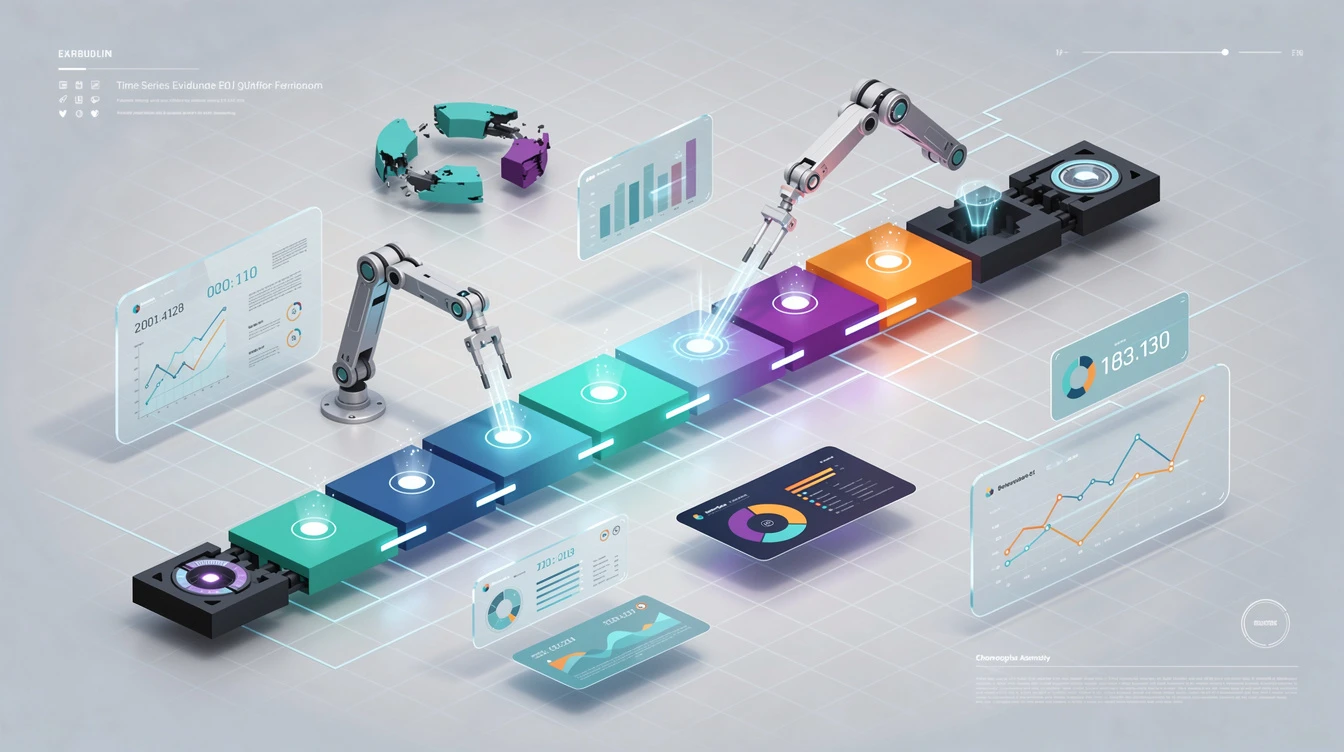
When staleness propagates through this graph, WatchCrux classifies the impact at each level. A minor wording change in a source document might cause benign drift in the chunks derived from it. But if those chunks are the sole evidence for a claim in a receipted answer, the drift might be classified as material or even critical at the answer level. This graduated classification prevents unnecessary alarm while ensuring that genuinely significant changes receive appropriate attention.
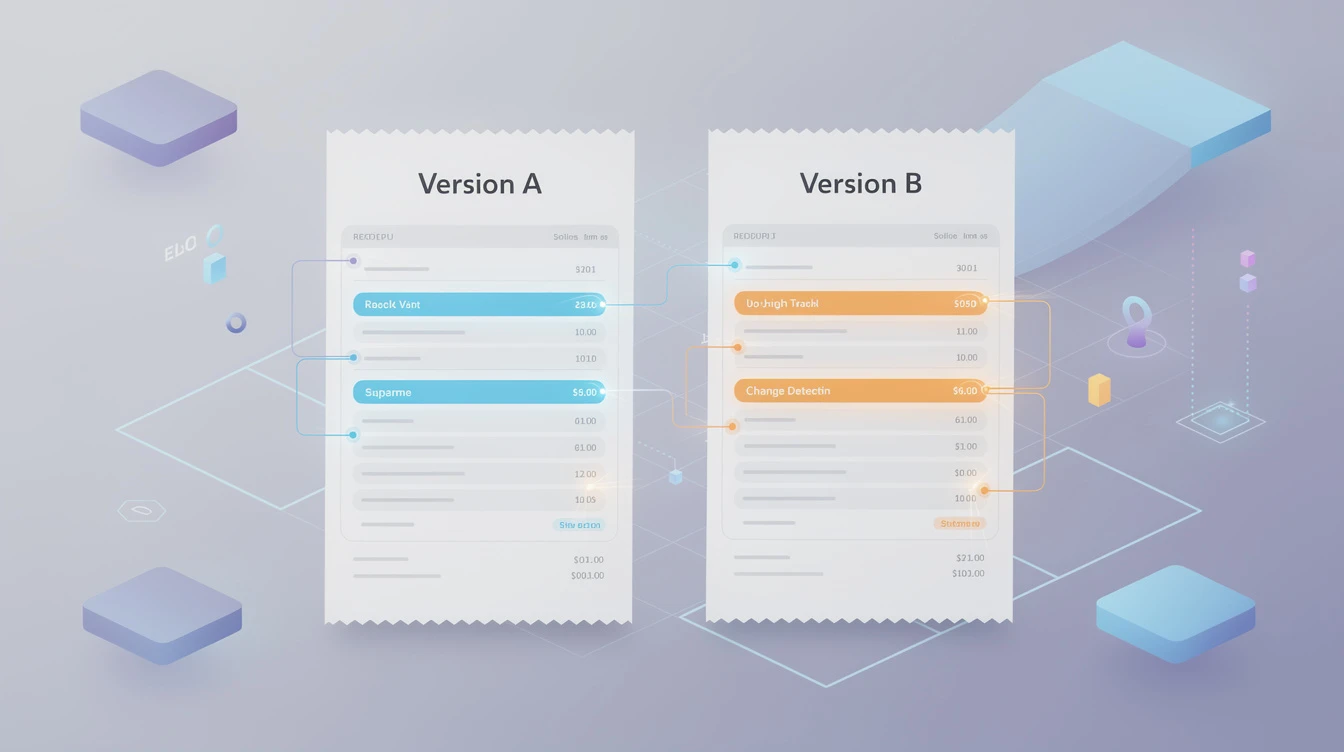
Re-verification is triggered automatically when staleness reaches a configurable threshold. Engine can re-run the retrieval and synthesis pipeline for affected answers, producing new receipts that are compared against the originals through the Receipt Diff system. If the conclusion changes, the Watch Surface and Signals Feed notify subscribed users, and the Proof Surface displays the updated evidence chain alongside the original.
Living Objects enable several powerful use cases. Continuous compliance monitoring uses living objects to ensure that regulatory answers remain current as legislation evolves. Research tracking uses them to alert scientists when foundational papers they relied on are retracted or significantly updated. Market intelligence uses them to notify analysts when competitive data they cited changes.
For the CueCrux platform, Living Objects transform the knowledge corpus from a static library into a dynamic, self-aware system that actively maintains its own accuracy and freshness. This is essential for a platform that promises not just correct answers at a point in time but ongoing trustworthiness as the world changes.