

Capability
Deterministic Replay
Audit-mode reconstruction with drift classification
Deterministic Replay is the audit-grade capability that allows CueCrux to reconstruct past query executions against historical corpus states, enabling precise detection and classification of how answers have changed over time. It is the mechanism that makes the platform's transparency promises verifiable in practice, not just in theory.
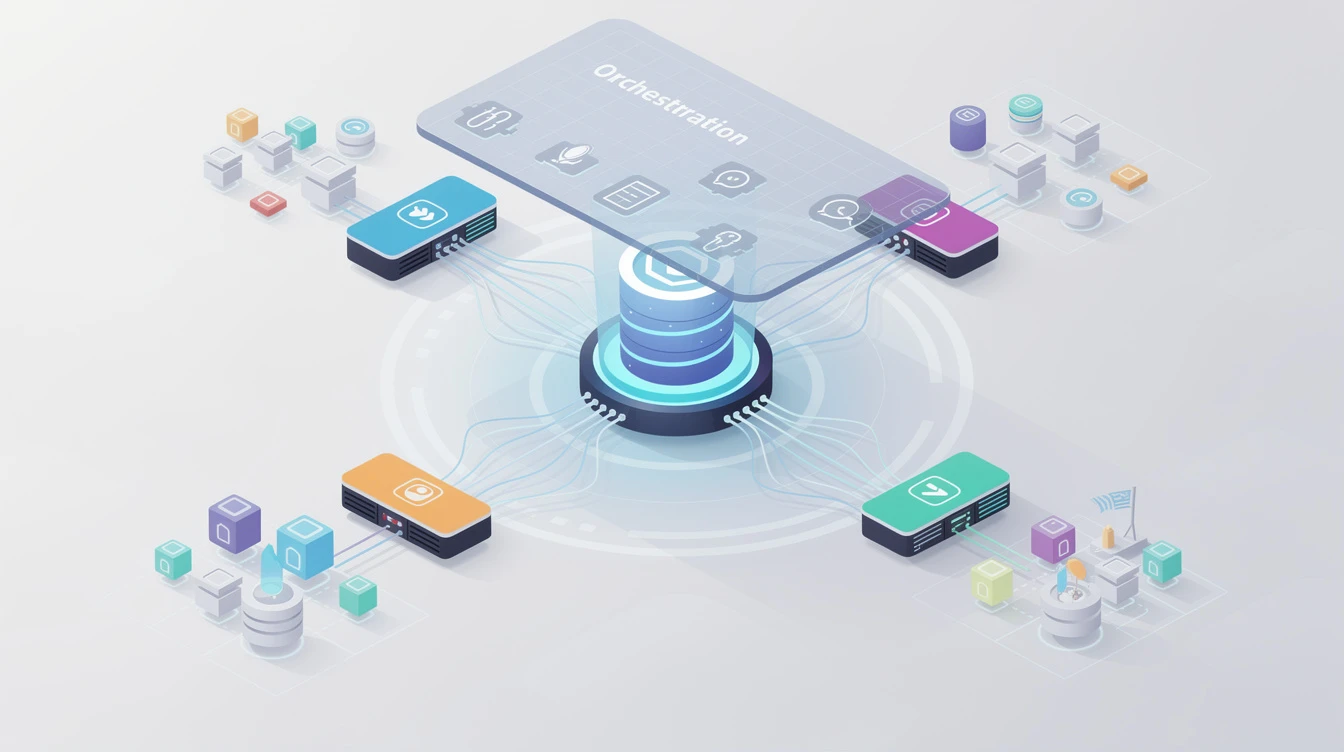
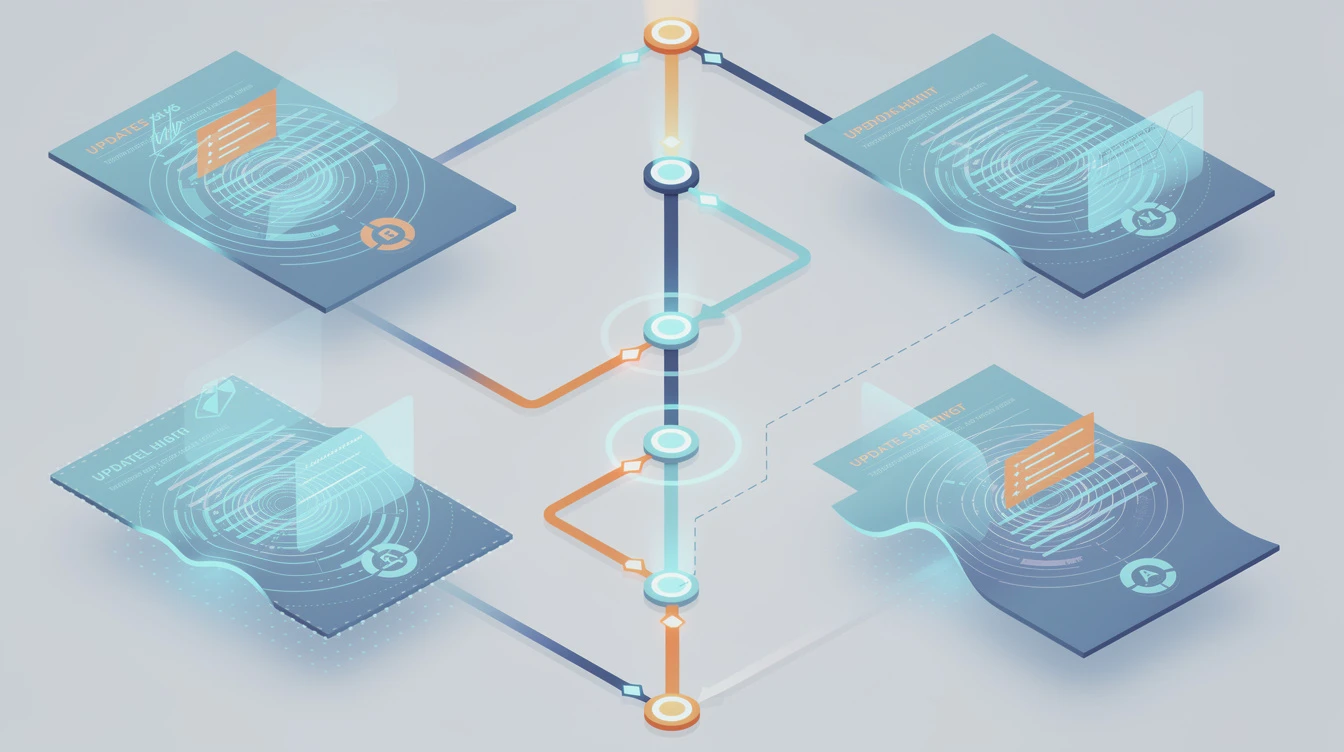
The replay process begins by restoring the corpus to its state at the time of the original query. CoreCrux's append-only event spine makes this possible by maintaining a complete history of every corpus change, including content ingestion, updates, deletions, and embedding modifications. By replaying events up to a specific timestamp and applying projection snapshots, the system reconstructs exactly what evidence was available when the original answer was produced.
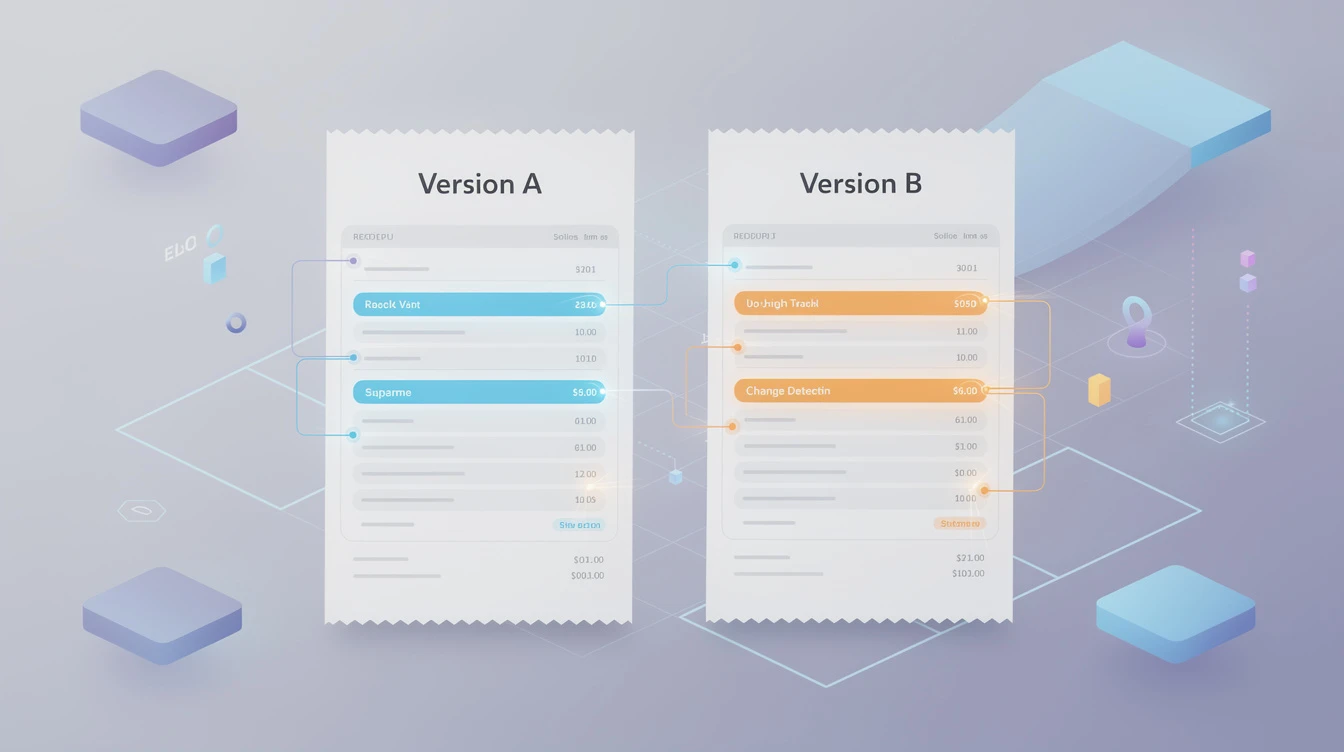
With the historical corpus state restored, Engine re-executes the original query using the same retrieval parameters, embedding lanes, and synthesis configuration. The resulting answer and its CROWN receipt are then compared against the original receipt, identifying every difference between the historical and current results. This comparison is precise and comprehensive, covering retrieved chunks, ranking scores, evidence citations, confidence levels, and the final synthesised answer.
Drift classification transforms raw differences into actionable assessments. Benign drift occurs when new evidence has been added to the corpus since the original query, enriching the answer without changing its fundamental conclusion. Material drift means that evidence changes have altered the confidence level, modified specific claims, or introduced new caveats that change the practical implications of the answer. Critical drift indicates that evidence changes have directly contradicted a previously stated conclusion, requiring immediate attention from anyone who relied on the original answer.
This three-tier classification prevents alert fatigue by ensuring that users and operators are only notified about changes that matter at the appropriate severity level. Benign drift might appear in a weekly digest, material drift triggers a prompt notification, and critical drift generates an urgent alert through WatchCrux.
Replay packs can be exported for independent execution. An external auditor, a regulatory body, or a litigation team can receive a self-contained replay pack that includes the original query, the historical corpus snapshot, and the replay instructions. They can execute the replay on their own infrastructure and verify that the platform's claimed results are accurate. This independent verifiability is essential for building trust with organisations that cannot simply take the platform's word for its own correctness.
Deterministic Replay integrates with Temporal Reconstruction for point-in-time analysis, with Receipt Diff for visual change comparison, and with the Watch Surface for user-facing change notifications. It is the foundation capability that makes CueCrux's approach to answer evolution transparent, auditable, and trustworthy.