

Core system
WatchCrux
Independent read-only supervision monitoring confidence drift
WatchCrux is the independent supervision system that continuously monitors the health, consistency, and correctness of the entire CueCrux platform from a read-only vantage point. Its independence is a deliberate architectural choice. WatchCrux does not share code, configuration, or runtime state with the systems it monitors, ensuring that a bug or compromise in the main platform cannot silently corrupt the supervision layer as well.
The primary function of WatchCrux is to detect drift, which occurs when the actual state of the platform diverges from its expected state. Drift can take many forms. An artefact might become stale because its source document was updated but the corpus was not re-indexed. A CROWN receipt might reference chunks that have been modified or deleted. An embedding lane might have been changed without updating the corresponding metadata. A retrieval query might return different results today than it did yesterday for reasons that are not explained by corpus changes alone.
WatchCrux classifies each detected drift event into one of three categories. Benign drift occurs when new evidence is added that enriches an answer without changing its conclusion. Material drift occurs when evidence changes are significant enough to alter the confidence level or modify specific claims in an answer. Critical drift occurs when evidence changes directly contradict a previously stated conclusion, requiring immediate attention.
To perform this classification, WatchCrux runs replay packs against historical corpus states. It takes a past query, replays it against both the historical and current corpus, and compares the resulting receipts to identify what changed and why. This process is computationally intensive but essential for maintaining the integrity guarantees that CueCrux promises to its users.
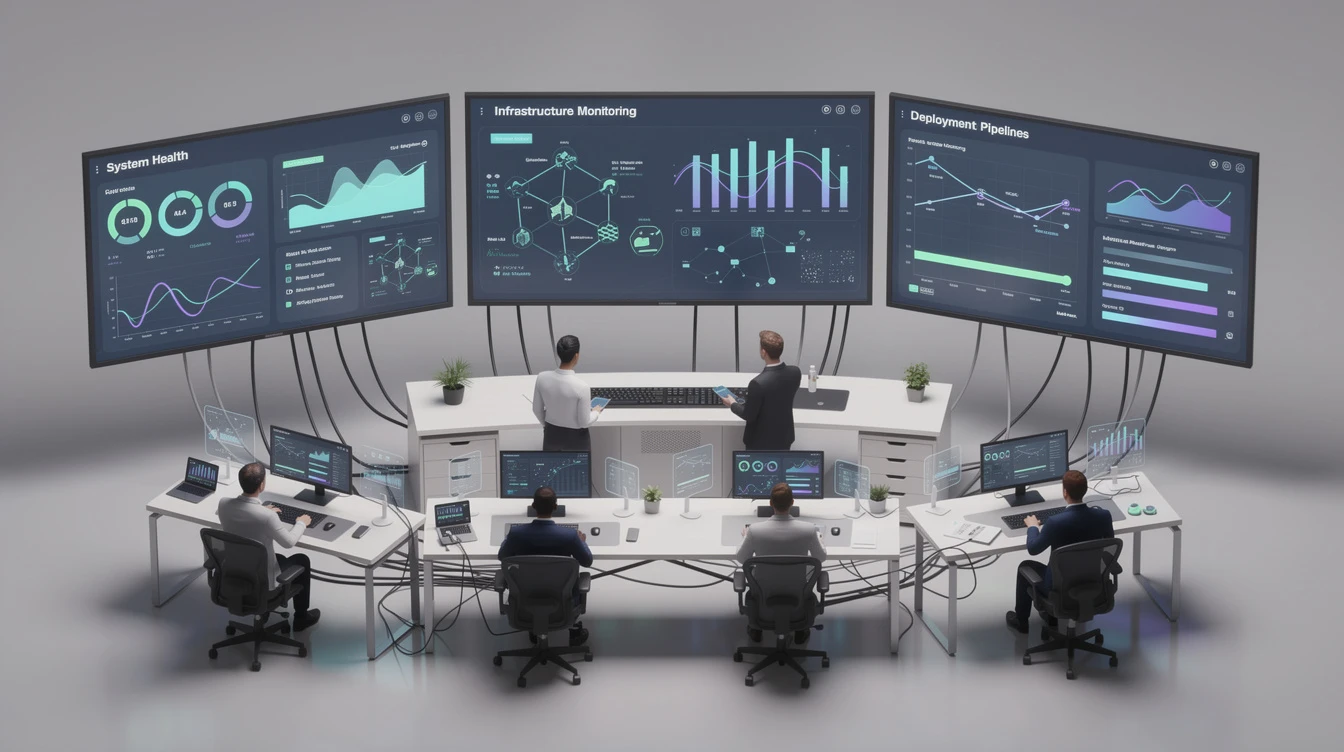
Beyond drift detection, WatchCrux polls health endpoints across all platform services, tracking response times, error rates, and availability patterns. It audits retrieval cadence to ensure that the indexing pipeline is keeping pace with content changes. It validates CROWN receipt signatures to confirm they have not been tampered with. And it detects lane mismatches where chunks are being retrieved from embedding lanes that do not match their metadata.
The results of all this monitoring flow into the Watch Surface and the Signals Feed, where users and operators can see what is changing, what might be degrading, and what requires intervention. For operators, WatchCrux feeds into OpsCrux dashboards with aggregated health metrics. For end users, it powers the calm change notifications that keep them informed about topics they care about without overwhelming them with noise.
WatchCrux represents a philosophical commitment to verifiability. Rather than asking users to trust that the platform is working correctly, CueCrux provides an independent system that continuously proves it. This makes the platform suitable for regulated industries where trust must be earned through demonstrable evidence, not assumed through reputation.