

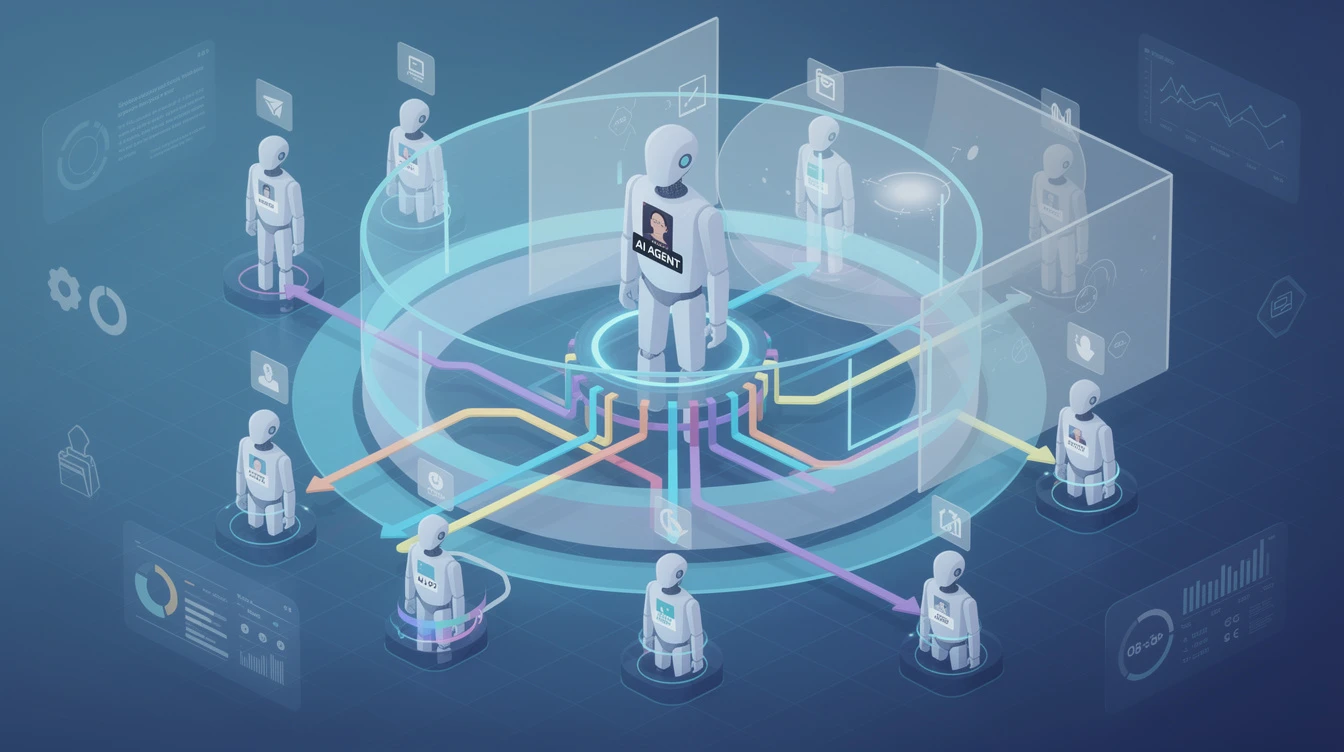
Agent Principal Identity
First-class agent identity with activity history
Assigns persistent identities to agents with full activity audit trails.
Read the full card →The binary
CoreCrux and the Crux Engine, shipped as one binary that runs on your machine, with its own console and a receipt for everything your agents do, from the first minute.
One binary, three planes
The daemon is not a client for a cloud: it is the whole machine. Memory (facts, sessions, handoffs), retrieval (lexical and graph fusion under token budgets) and receipts (CROWN signing with offline verification) run in one process on an append-only spine, reachable over MCP, HTTP and gRPC. Everything on this page works with the network cable pulled.
Releases are as inspectable as the runtime: cosign keyless signatures, CycloneDX SBOMs and SLSA3 provenance on every build, and the export, offline-verify, tamper-reject cycle is a release-blocking CI gate.
your agent
MCP · HTTP · gRPC
corecruxd one binary, port 14800
No cloud in this picture. That is the point.
One process, the whole stack. CoreCrux: the append-only, receipted substrate that holds knowledge and decisions. The Crux Engine: the read side that turns that substrate into evidence-backed answers. An MCP tool surface your agents call directly (over a hundred tools for memory, retrieval, sessions, coordination, and receipts), plus a plain HTTP API for everything else. And a local console at localhost:14800/console so you can watch all of it: what your agents stored, what they retrieved, what it cost, and the receipt for each step.
No account. No egress. The daemon signs a receipt for every write from the first minute, and verification never needs us: export your context and verify the receipt chain offline, on your own machine. The exit test is part of the product: everything required to audit us, or to leave, ships in the free binary.
The binary does not change shape when you scale. The questions do. One daemon on one machine answers "what did my agent do?" A fleet of them across many machines raises the team-lead questions: what did all of them do, what did it cost, who authorized it. That aggregation layer is the hosted CueCrux control plane, and the same local daemon links to it. Nothing about local operation is withheld to make the hosted plane look better.
First-class agent identity with activity history
Assigns persistent identities to agents with full activity audit trails.
Read the full card →
Privacy-safe consent-aware event tracking
Client-side telemetry respecting user consent with anonymised interaction metrics.
Read the full card →
Prometheus-exposed service health with metadata
Service health metrics exposed via Prometheus with structured metadata labels.
Read the full card →Guide
CueCrux’s evidence-driven upgrade system for autonomous agents.
Read the full card →Build on it
Extending the daemon: packs, HTTPS tools, sandboxed WASM modules, connectors, and the signed rail you publish them on. Thirteen chapters, every claim carrying a file:line reference into the Crux repository.