

Core system
AgentCrux
Coordinated multi-agent mesh with approval gates and budgets
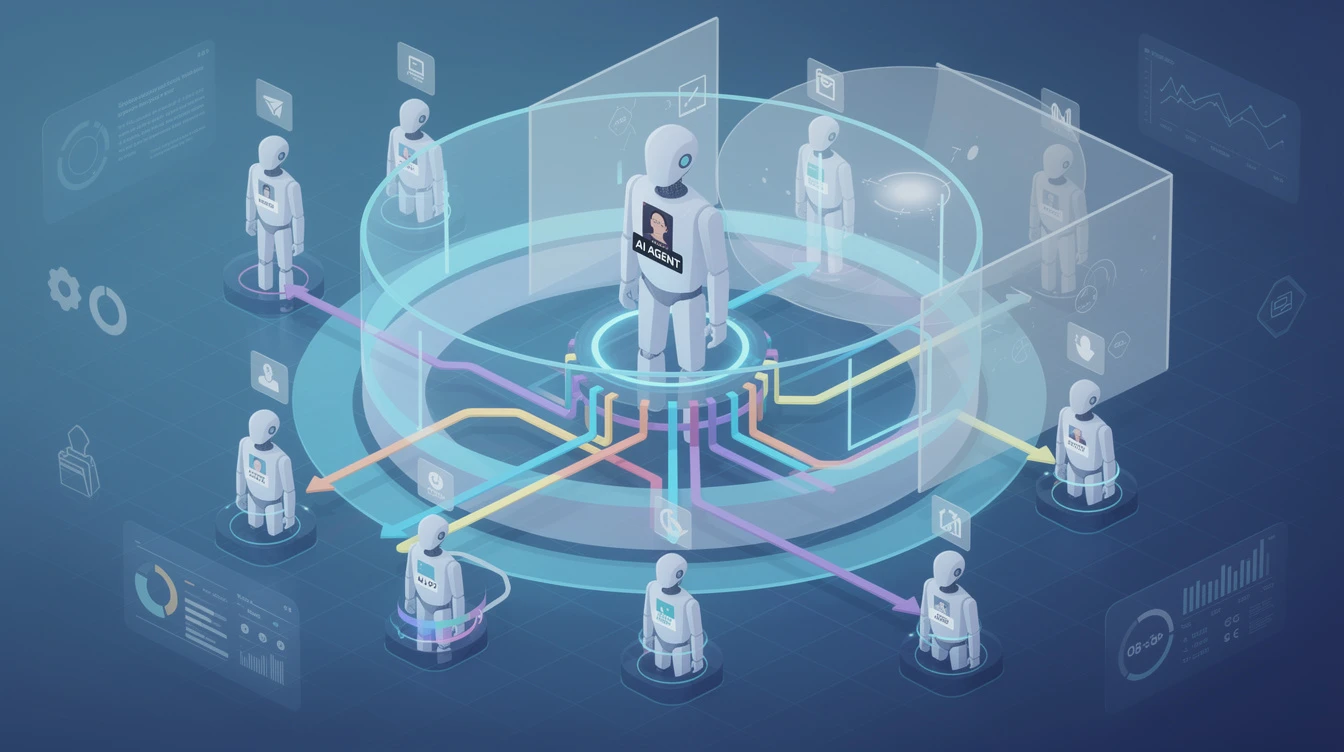
AgentCrux is the coordinated multi-agent mesh that powers autonomous and semi-autonomous workflows across the CueCrux platform. Rather than relying on a single monolithic AI system, AgentCrux decomposes complex tasks into specialised roles handled by purpose-built agents that collaborate through structured protocols with clear accountability boundaries.
The agent mesh consists of several distinct agent types, each with defined responsibilities and capabilities. The Planner agent analyses incoming tasks, breaks them into subtasks, and creates execution plans with resource estimates. The Researcher agent executes evidence gathering workflows, querying the Engine and external sources to assemble the information needed for a task. The Implementer agent carries out state-changing actions like corpus modifications, configuration updates, and content generation. The Auditor agent reviews the work of other agents, validating outputs against quality standards and compliance requirements. The Budgeter agent tracks resource consumption and enforces spending limits across all agent activities.
Coordination between agents follows a structured protocol where each agent communicates through the append-only event log maintained by CoreCrux. This means every inter-agent message, every decision, and every action is permanently recorded and auditable. There is no hidden state or side-channel communication that could evade oversight. When an auditor reviews an agent workflow, they can trace every step from the initial task assignment through to the final output.
Budget enforcement is a first-class concern. Every agent operation consumes CRUX credits, and the Budgeter agent ensures that total spending remains within the allocated budget for each task, tenant, and assurance mode. When a task threatens to exceed its budget, the mesh can either request additional budget through an OpsCrux approval gate or gracefully degrade by reducing the scope of the work. This prevents runaway costs while maintaining transparency about what was and was not completed.
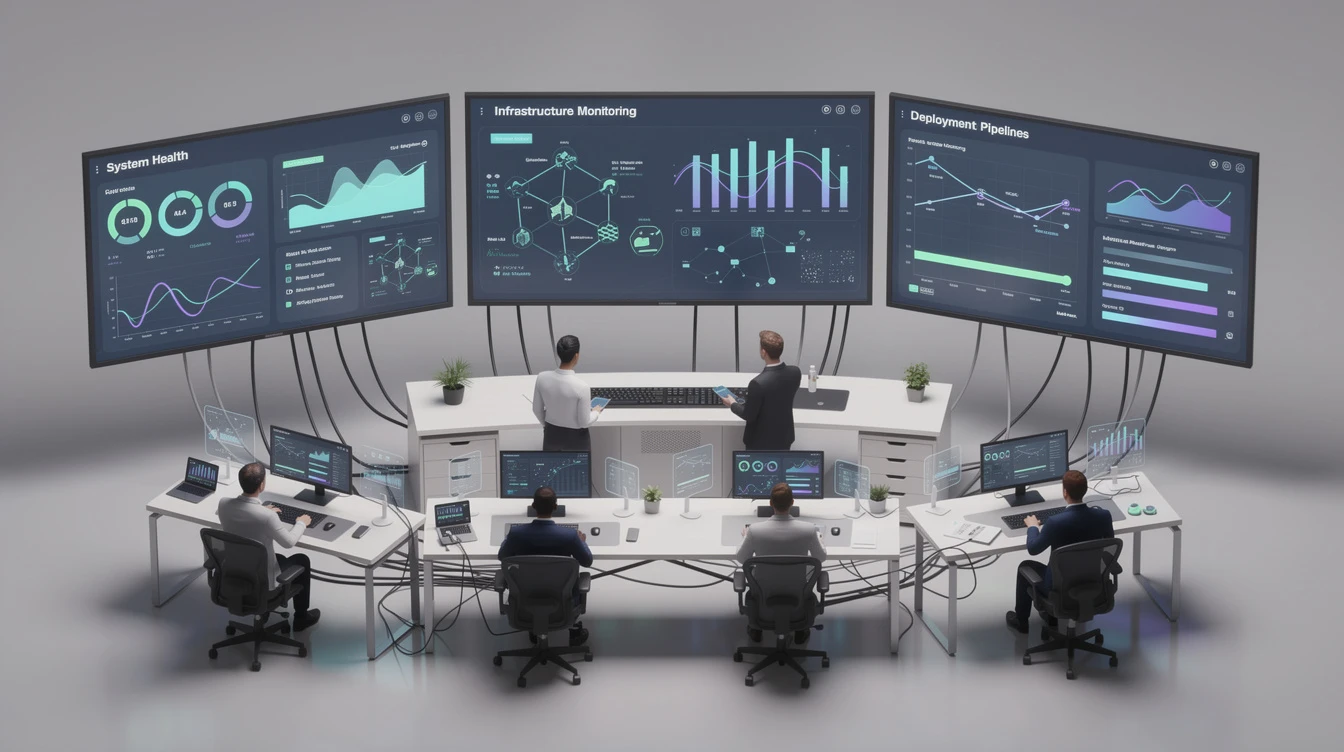
Approval gating integrates AgentCrux with OpsCrux to ensure human oversight for sensitive operations. When an agent needs to perform an action that exceeds its delegated authority, such as modifying access policies, ingesting sensitive content, or committing to external systems, it pauses and raises an approval request. The operator reviews the request in the Agent Theatre with full context about why the action is needed, and the workflow resumes only after explicit approval.
Each agent in the mesh has a persistent principal identity managed through the Agent Principal Identity system. This identity carries scoped permissions, historical performance metrics, and trust scores that evolve over time based on the agent's track record. High-trust agents may receive broader delegated authority, while agents with lower trust scores face more frequent approval gates.
For real-world applications, AgentCrux enables scenarios like automated compliance monitoring where a researcher agent continuously scans regulatory sources, a planner agent identifies coverage gaps, and an implementer agent triggers ingestion requests, all under the supervision of an auditor agent that validates the work. This creates a self-improving knowledge system that operates within clearly defined safety boundaries.