

Capability
Embedding Lane Stack
Four-tier embedding strategy with selective upgrades
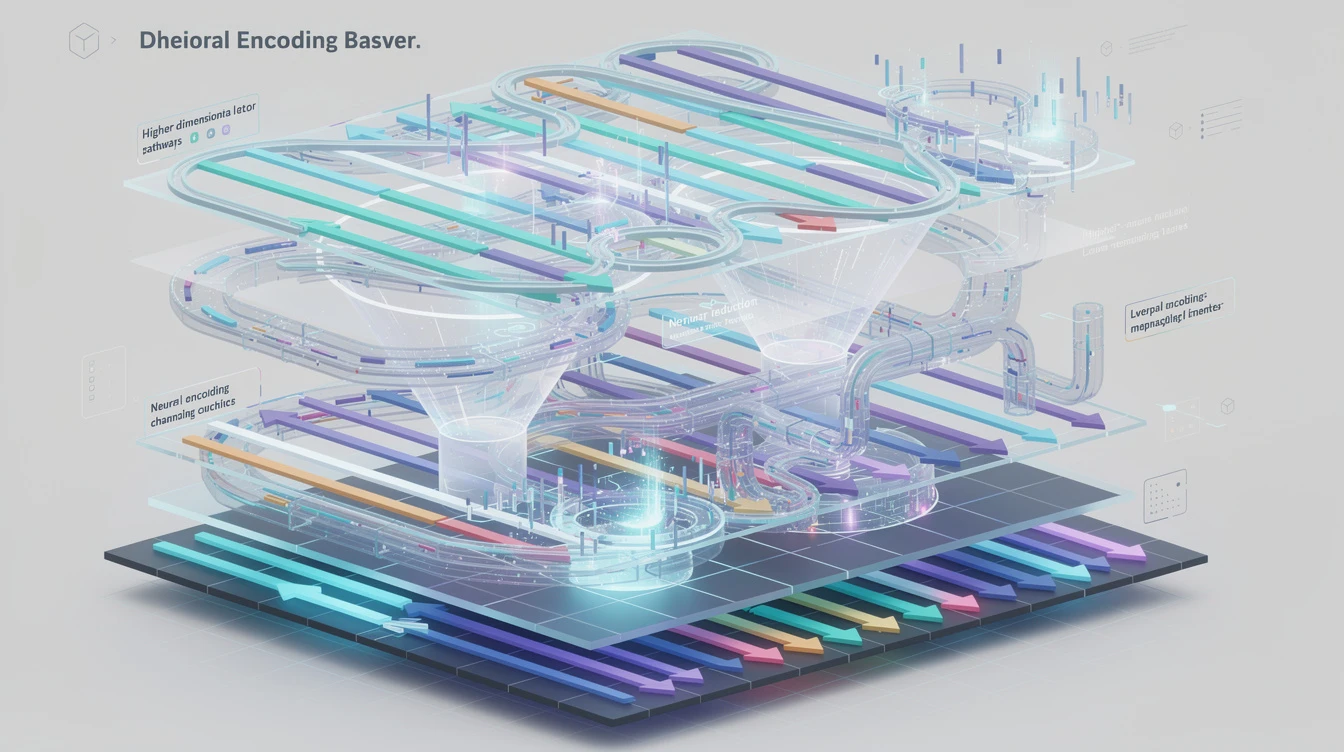
The Embedding Lane Stack is a tiered embedding architecture that allows CueCrux to balance cost, speed, and retrieval quality across different classes of content in the corpus. Rather than applying a single embedding model uniformly to all content, the platform supports four distinct embedding lanes, each optimised for different trade-offs, and allows selective assignment of content to the most appropriate lane.
The fast lane uses lightweight embedding models that prioritise throughput and low latency over maximum recall. This lane is suitable for large volumes of general-purpose content where broad coverage matters more than precision, such as web pages, news articles, and blog posts. The fast lane keeps embedding costs manageable even as the corpus grows to millions of documents.
The standard lane provides a balanced middle ground with models that offer good recall quality at reasonable cost. Most professional and business content is assigned to this lane by default, including regulatory documents, corporate filings, and industry reports. The standard lane delivers retrieval quality that is more than sufficient for verified-mode answers while keeping processing costs predictable.
The premium lane uses the best available embedding models to maximise recall and semantic precision. Content assigned to this lane receives the highest quality vector representations, capturing subtle semantic nuances that simpler models might miss. Premium embedding is reserved for high-value content where retrieval accuracy directly impacts the quality of critical answers, such as medical literature, legal precedents, and scientific research papers.
The specialist lane supports domain-specific embedding models that are fine-tuned for particular fields. A medical specialist model might capture the nuances of clinical terminology that a general-purpose model would conflate. A legal specialist model might distinguish between similar but legally distinct concepts. Specialist lanes are configured per domain and can be added as the platform expands into new professional verticals.
Lane assignment is configurable at the corpus class, domain, and even individual document level. Administrators can set default lanes for different content types and override them where specific documents warrant higher-quality embedding. Lane upgrades can be applied selectively, so a tenant that discovers their regulatory corpus needs better recall can upgrade just that subset without re-embedding everything.
Critically, the lane metadata is recorded in every CROWN receipt. When Engine retrieves evidence for an answer, the receipt shows which embedding lane was used for each chunk. This makes retrieval conditions fully reproducible and allows auditors to understand whether the embedding quality was appropriate for the question being asked. If a critical answer was generated using fast-lane embeddings, this visibility allows users to request a re-run with premium embeddings for higher confidence.
The Embedding Lane Stack integrates with FactoryCrux's ingestion pipeline for initial embedding, with Engine's retrieval layer for lane-aware search, and with the Performance Metrics system for monitoring embedding quality and cost across lanes.