

Capability
Coverage-Driven Sourcing
Pathway from low-coverage to ingestion requests
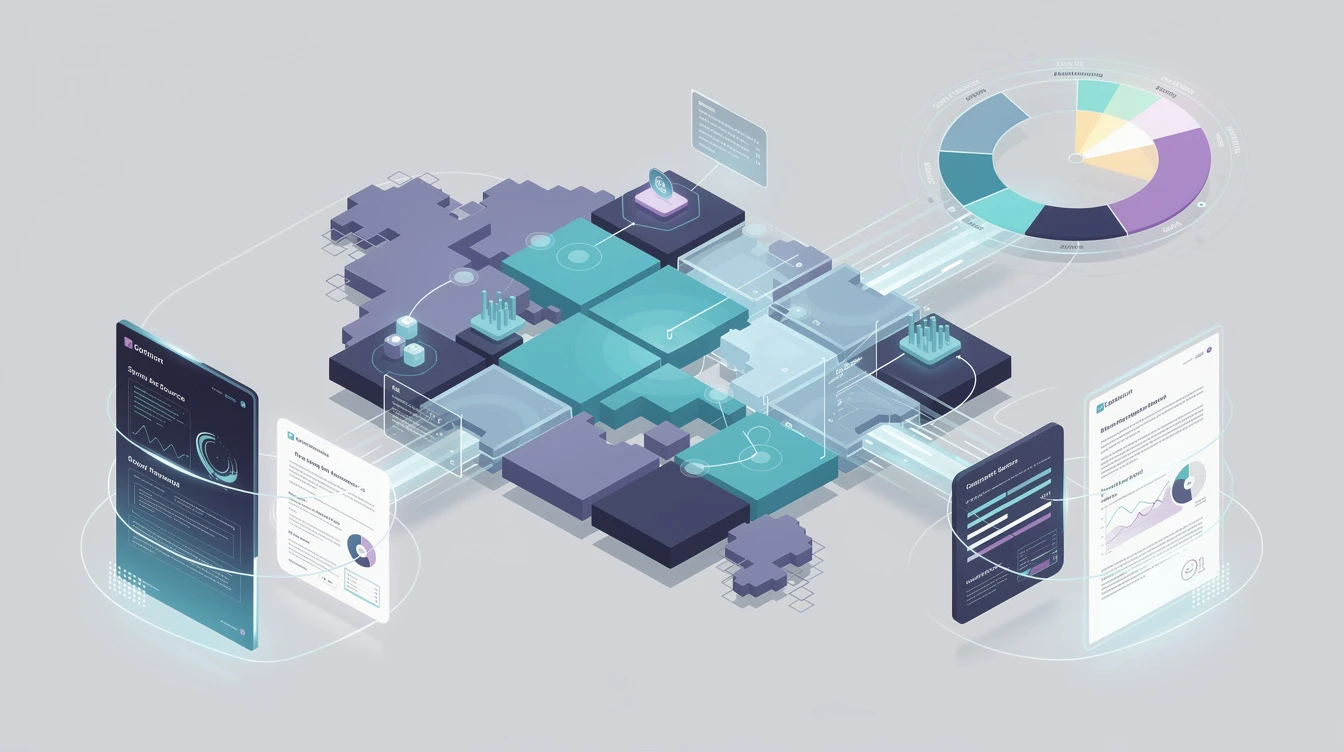
Coverage-Driven Sourcing is the feedback mechanism that connects CueCrux's coverage assessment capabilities to its content ingestion pipeline, systematically identifying where the corpus is weak and generating targeted requests to strengthen it. This creates a self-improving knowledge system that becomes more comprehensive and balanced over time.
The sourcing process begins with data from the Coverage Labelling system. When answers in a particular domain consistently receive thin or partial coverage labels, Coverage-Driven Sourcing identifies the specific gaps responsible. These might be topics where too few sources exist, subject areas where existing sources are outdated, or domains where the available evidence comes from a single publisher and lacks diversity.
Gap analysis produces structured sourcing requests that describe what kind of content is needed, why it is needed, and what quality criteria the new content should meet. A sourcing request might specify that the healthcare compliance domain needs additional sources covering recent FDA guidance on digital health devices, from at least two independent regulatory commentary publishers, published within the last twelve months. This specificity helps guide the ingestion pipeline and community sourcing efforts toward content that will actually improve coverage.
Sourcing requests are prioritised based on multiple factors. The severity of the coverage gap, measured by how many user queries are affected and how low the coverage scores are, determines baseline priority. User demand signals from the Ingestion Upvoting system adjust priorities based on community interest. The domain's strategic importance to the platform's target markets provides additional weighting.
The feedback loop operates continuously. As new content is ingested in response to sourcing requests, the coverage scores in affected domains are recalculated. If the new content successfully closes the gap, the sourcing request is marked as resolved. If coverage remains thin despite the new content, the request is updated with refined criteria and re-prioritised.
Coverage-Driven Sourcing integrates with Community Threads, where users with domain expertise can suggest specific sources they know would improve coverage. It also connects to the Domain Directory, which displays coverage statistics alongside sourcing priorities for each knowledge domain.
For the CueCrux platform, Coverage-Driven Sourcing ensures that corpus development is not random or reactive but strategically guided by measured gaps in the platform's ability to answer user questions with confidence. It is the mechanism that turns transparency about coverage weaknesses into systematic action to address them.