

Dependencies
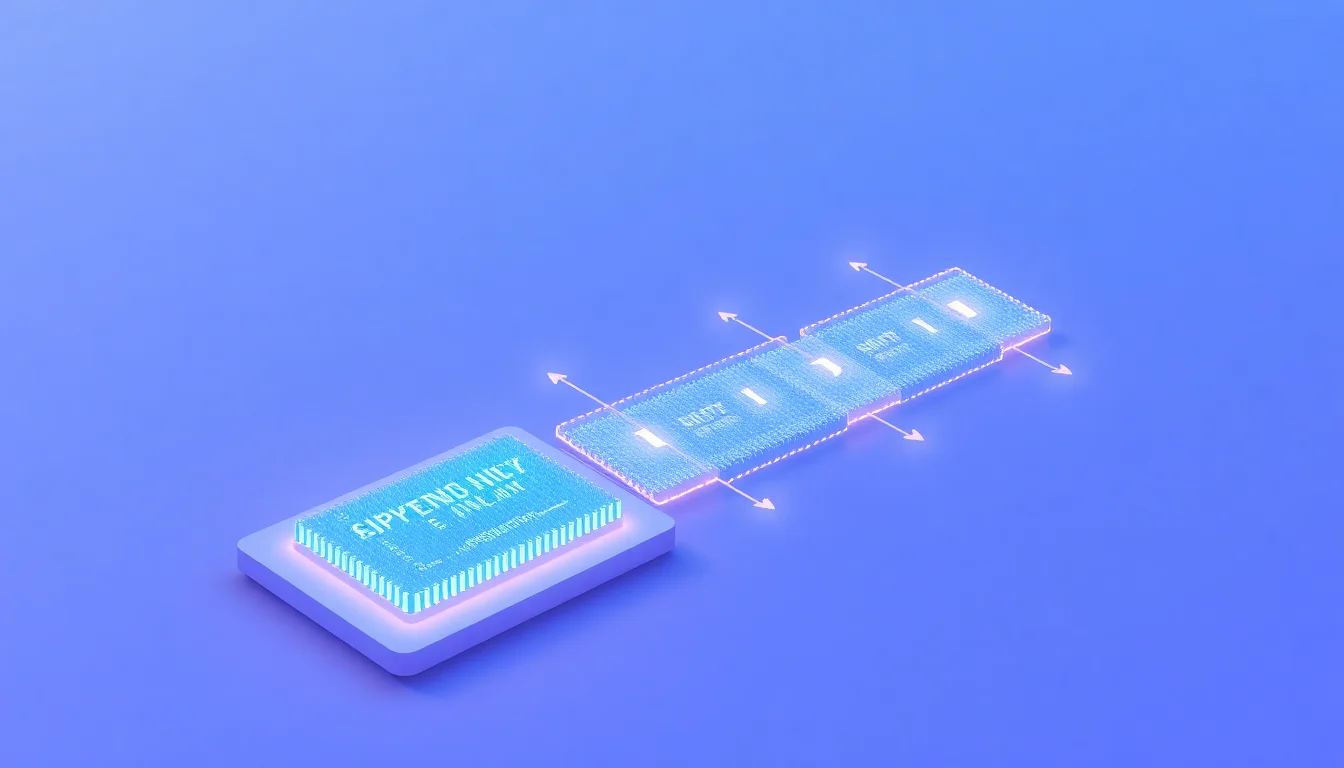
Dependencies let you declare that one answer or artifact depends on another. When the upstream artifact changes, every downstream dependent is flagged. This turns isolated answers into a connected knowledge graph where changes propagate visibility automatically.
A typical dependency chain: you Ask about a vendor contract, Reserve the answer, then Ask a follow-up question about pricing that depends on the contract answer. If the contract source document is updated, the contract answer gets a Watch alert, and the pricing answer gets a dependency alert. You see the full chain of what needs re-evaluation.
Dependencies work across team members. If one person reserves an answer and another person builds a workflow that depends on it, both are notified when the chain breaks. This prevents the common failure mode where decisions are made on stale context because nobody realised the upstream source had changed.
The dependency graph is visible in Canvas. Nodes connected by dependency edges show their status in real time. A green edge means the dependency is healthy. An amber edge means the upstream has Watch alerts but has not been re-evaluated yet. A red edge means the upstream answer has been superseded.
Ready to get started?
VaultCrux is still gated. Request access and we will provision the credentials your agent needs.