
Explainer
Why should I trust CueCrux answers?
Every claim is traceable to its source with confidence scores
Trust is the central question for any information tool, and CueCrux approaches it differently from other platforms. Rather than asking you to trust the system, CueCrux gives you the tools to verify everything yourself.
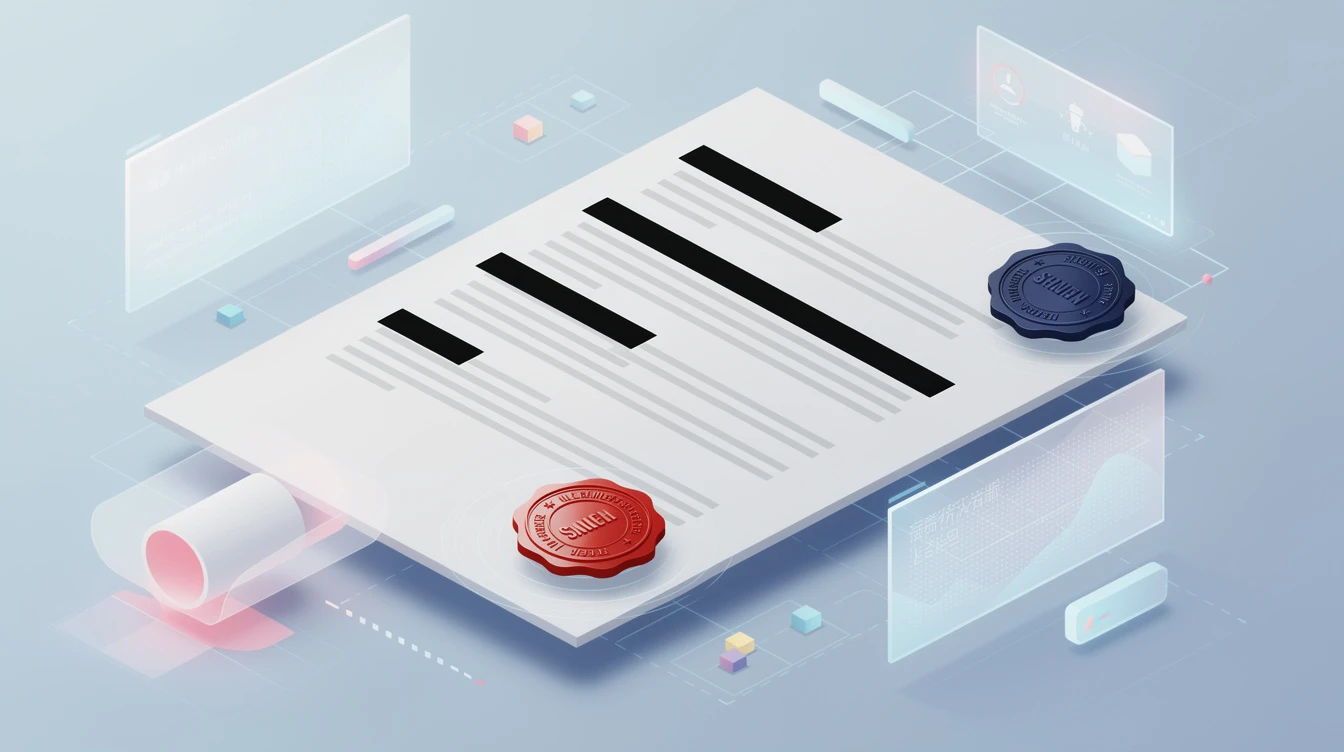
The foundation of trust in CueCrux is the evidence receipt. Every answer comes with a structured record showing exactly which sources were used, which specific passages informed each claim, and how confident the system is in the result. This is not a vague "sources" list at the bottom of a page. It is a detailed, claim-by-claim mapping from answer to evidence. If the answer says "GDPR requires data controllers to respond to subject access requests within one month," the receipt shows you the exact article of the regulation, the specific text, and when that source was last verified.
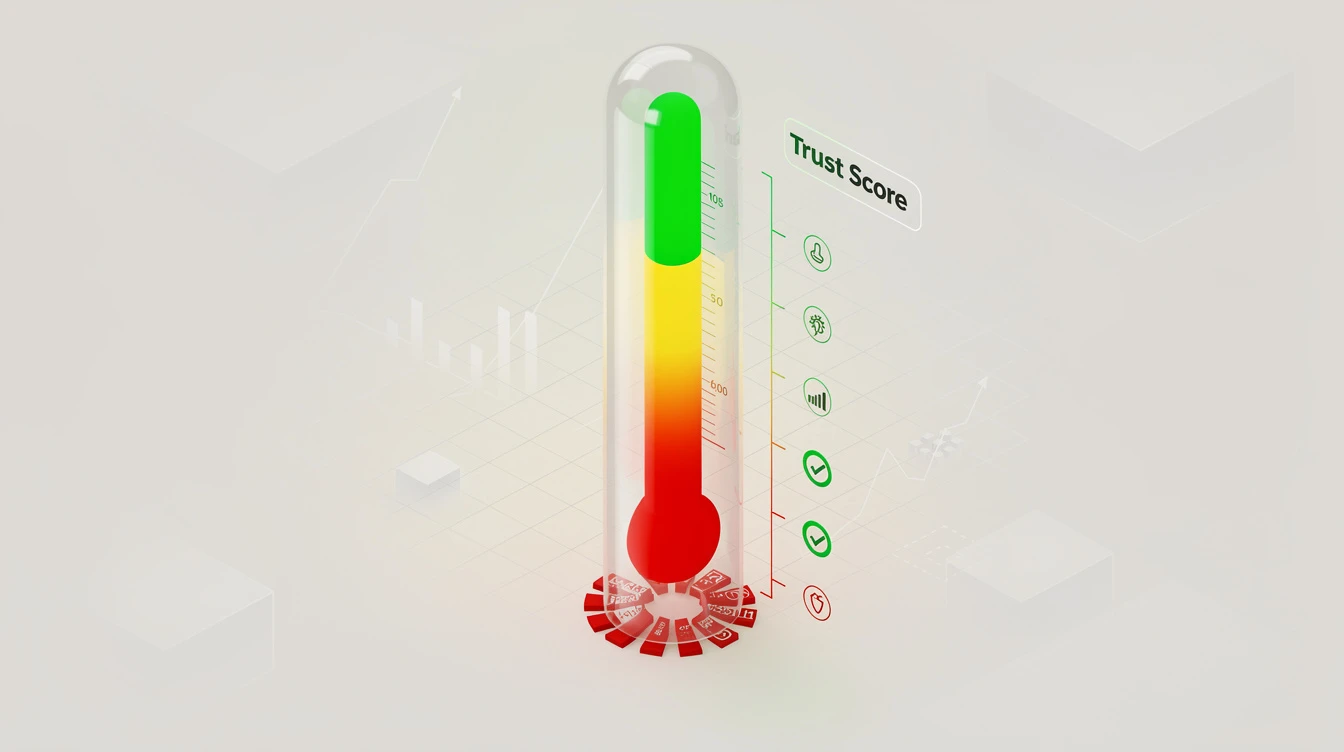
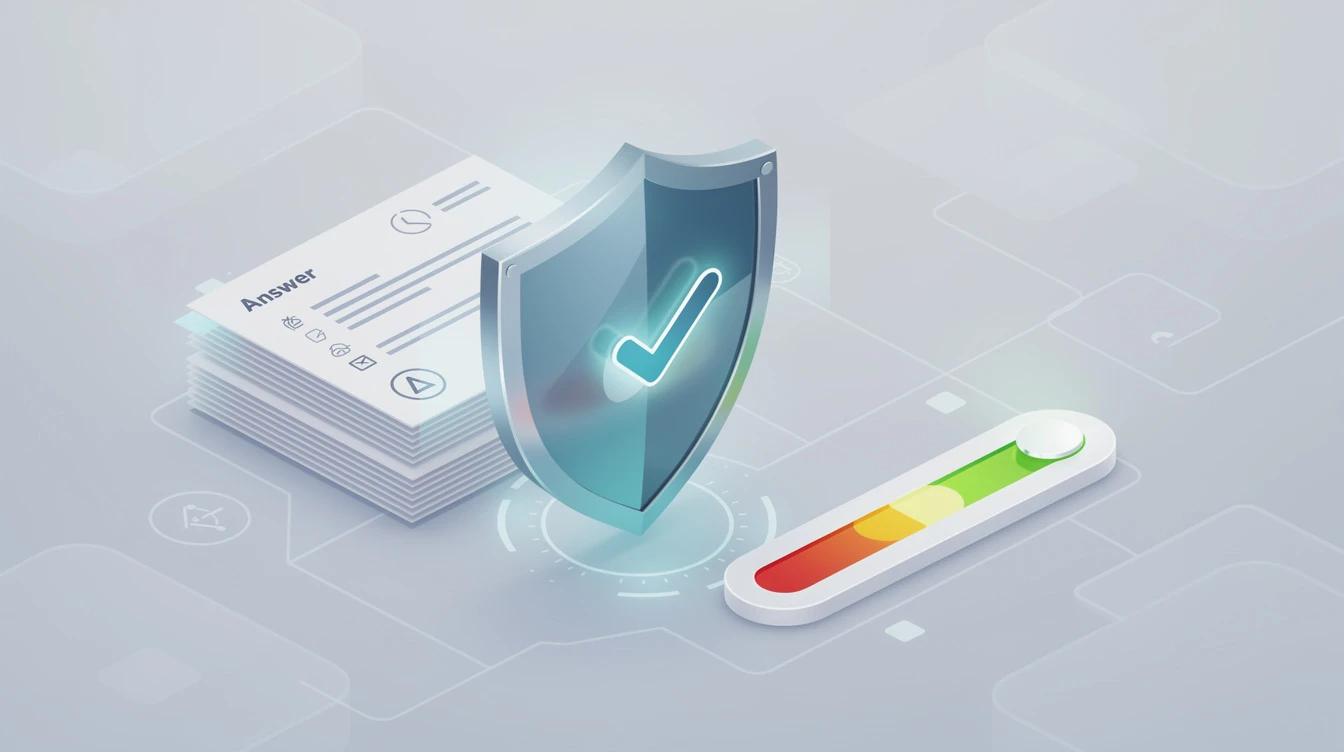
Confidence scoring adds another layer of trustworthiness. Not all claims are created equal, and CueCrux does not pretend otherwise. Each claim in an answer receives a confidence score based on several factors: how many independent sources support it, how authoritative those sources are, how recent the sources are, and how directly they address the specific question asked. A claim supported by three recent regulatory documents scores differently from one based on a single blog post from two years ago. You see these confidence indicators inline, so you know immediately which parts of an answer are rock-solid and which deserve additional verification.
Cryptographic integrity ensures receipts cannot be tampered with after creation. Each receipt includes a hash that covers all the evidence data. If anyone modifies the receipt after it was generated, the hash will not match, and the tampering becomes immediately obvious. This matters for professional contexts where evidence integrity is essential, such as legal proceedings, regulatory submissions, and audit trails.
Source freshness tracking addresses the problem of stale information. CueCrux monitors when sources were last checked and flags answers that rely on older material. If a regulation has been amended since the source was last verified, the system indicates this so you know to exercise additional caution. The Watch feature can notify you when underlying sources change, keeping your research current.
Transparency extends to what CueCrux does not know. If the system cannot find sufficient evidence to answer your question confidently, it tells you so rather than generating a plausible-sounding but unsupported response. This honest acknowledgment of uncertainty is a feature that distinguishes CueCrux from systems that always produce an answer regardless of evidence quality. You would rather know that reliable information is not available than receive a confidently stated but poorly supported claim.
The system also supports independent verification through shareable proof links. When you share an answer with a colleague or client, they receive not just the answer but the complete evidence chain. They can verify every citation, check every source, and reach their own conclusions about the answer quality. This collaborative verification model means trust does not depend on any single person or system.
CueCrux takes a fundamentally different philosophical position from most information tools. Search engines trust their ranking algorithms. AI chatbots trust their training data. CueCrux trusts nothing implicitly and instead provides the evidence for you to make your own trust decisions. Every answer is exactly as trustworthy as its sources, and you can always see those sources for yourself.