

Explainer
What is a receipt in CueCrux?
A verifiable evidence record proving how an answer was built
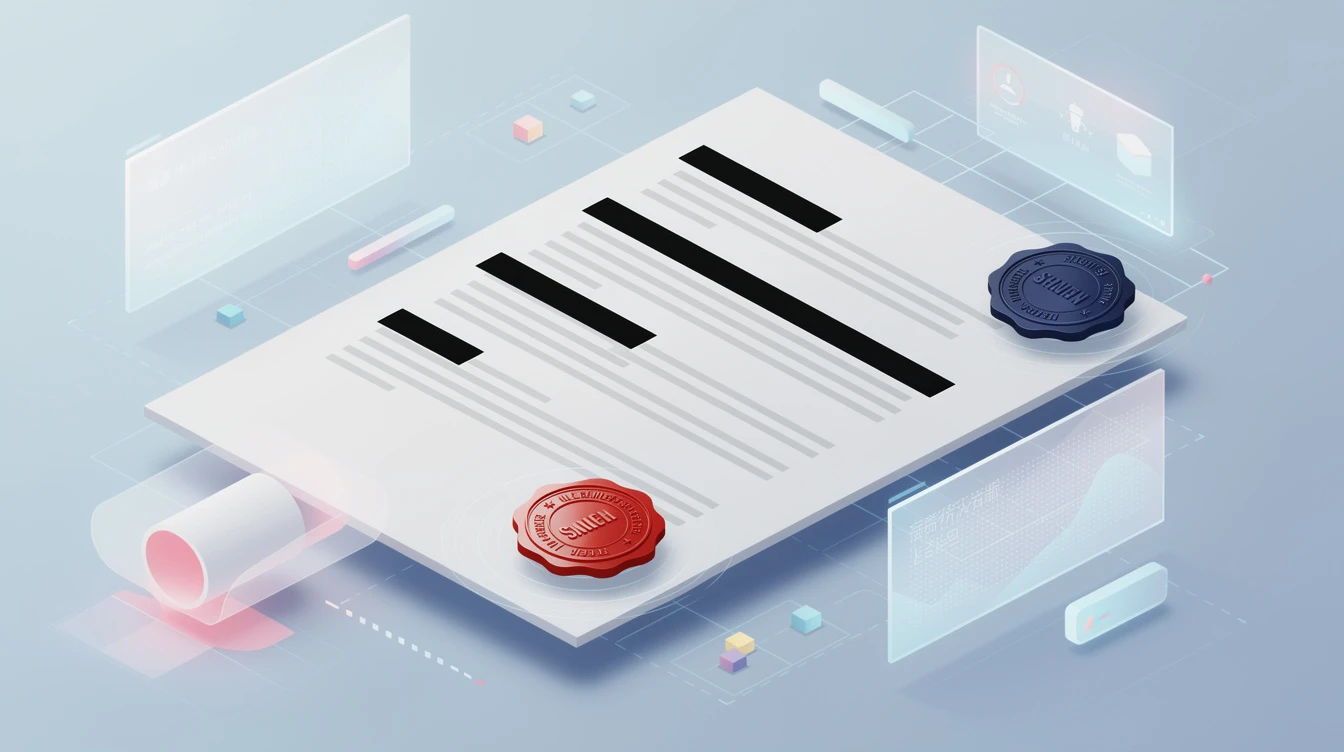
A receipt in CueCrux, formally called a CROWN receipt, is a structured evidence record that accompanies every answer the platform produces. It is the mechanism that turns CueCrux from an ordinary question-answering tool into a provable research platform.
Think of it like a receipt from a shop, but for information. When you buy something, the receipt shows what you purchased, where you purchased it, what it cost, and when the transaction happened. A CROWN receipt does the same thing for knowledge. It shows what sources were consulted, where each piece of information came from, how confident the system is in each claim, and when the evidence was gathered.
The name CROWN stands for a structured set of components that make up the receipt. Each receipt contains the original query, the retrieved source passages, confidence scores for individual claims, timestamps for source verification, and a cryptographic signature that ensures the receipt has not been modified after creation. Together, these components create an unbroken chain from your question to the evidence behind the answer.
Here is what that looks like in practice. Suppose you ask CueCrux about environmental reporting requirements for publicly listed companies in the EU. The answer might reference the Corporate Sustainability Reporting Directive, specific articles from the directive text, guidance documents from EFRAG, and recent enforcement notices. The CROWN receipt maps each claim in the answer to the specific passages that support it. If the answer states that companies must report on climate-related risks, the receipt shows exactly which article of the CSRD says so, the specific text of that article, and when it was last verified against the official source.
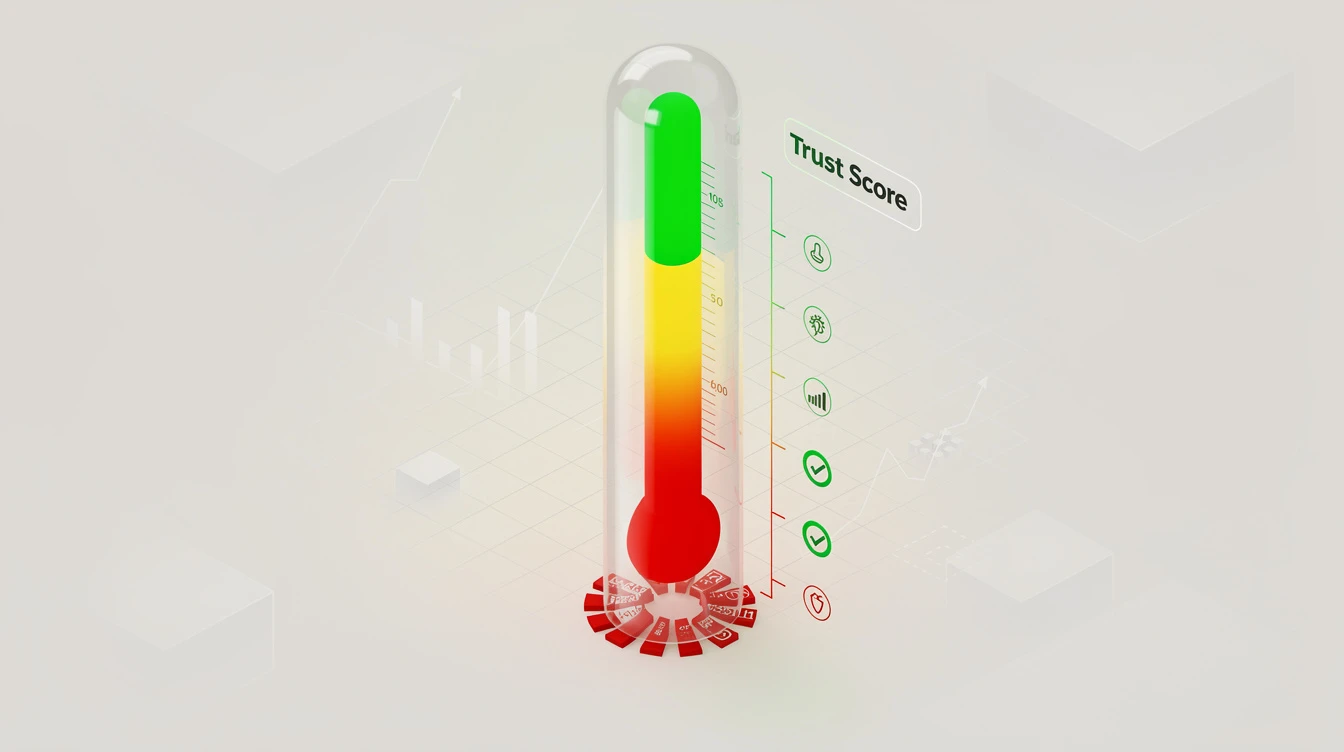
Confidence scoring within the receipt gives you granular trust information. A claim supported by primary legislation scores higher than one supported by a secondary commentary. A claim from a document verified yesterday scores higher than one from a document last checked six months ago. These scores are not hidden internal metrics. They are visible in the receipt for you to evaluate.
The cryptographic signature serves a specific purpose: integrity verification. When the receipt is generated, a hash is computed over all its contents. This hash is included in the receipt and can be independently verified. If someone modifies the receipt, the hash will no longer match, making tampering detectable. This is particularly important for legal and compliance use cases where evidence integrity must be demonstrable.
Receipts are also the foundation for CueCrux collaboration features. When you share an answer using a proof link, the recipient gets access to the full CROWN receipt. They do not have to take your word for the answer quality. They can trace every claim back to its source and form their own assessment. This makes CueCrux answers suitable for high-stakes professional communications where "because the AI said so" is not an acceptable justification.
Receipts are not static documents. When the Watch feature detects that an underlying source has changed, it can generate a receipt diff showing how the change affects previous answers. If a regulation is amended, you can see exactly which claims in your earlier research are affected and how. This keeps your evidence current without requiring you to redo your research from scratch.
For users who need formal evidence packages, receipts can be exported in formats suitable for regulatory submissions, legal filings, and audit documentation. The exported package includes the answer, the complete evidence chain, source verification timestamps, and the cryptographic signature for integrity checking.
In essence, the CROWN receipt is what separates CueCrux from tools that give you answers you hope are right. It gives you answers you can prove are right, or at least understand exactly why you should trust or question them.