
Explainer
Can I search my own private documents?
Upload documents to a private knowledge plane for searching
CueCrux supports private knowledge planes that let you bring your own documents into the evidence base. Your private documents are searched alongside the public corpus, but they remain completely isolated from other users. No one else can see, access, or benefit from your private content.
The use case is straightforward. Many professionals have valuable internal documents that would enhance their research if they could be searched alongside public sources. A law firm has its internal research memos and case analyses. A compliance team has its policies and procedures. A consulting firm has its proprietary frameworks and client deliverables. A research organization has its unpublished work and internal reviews. Private knowledge planes make all of this material searchable within CueCrux.
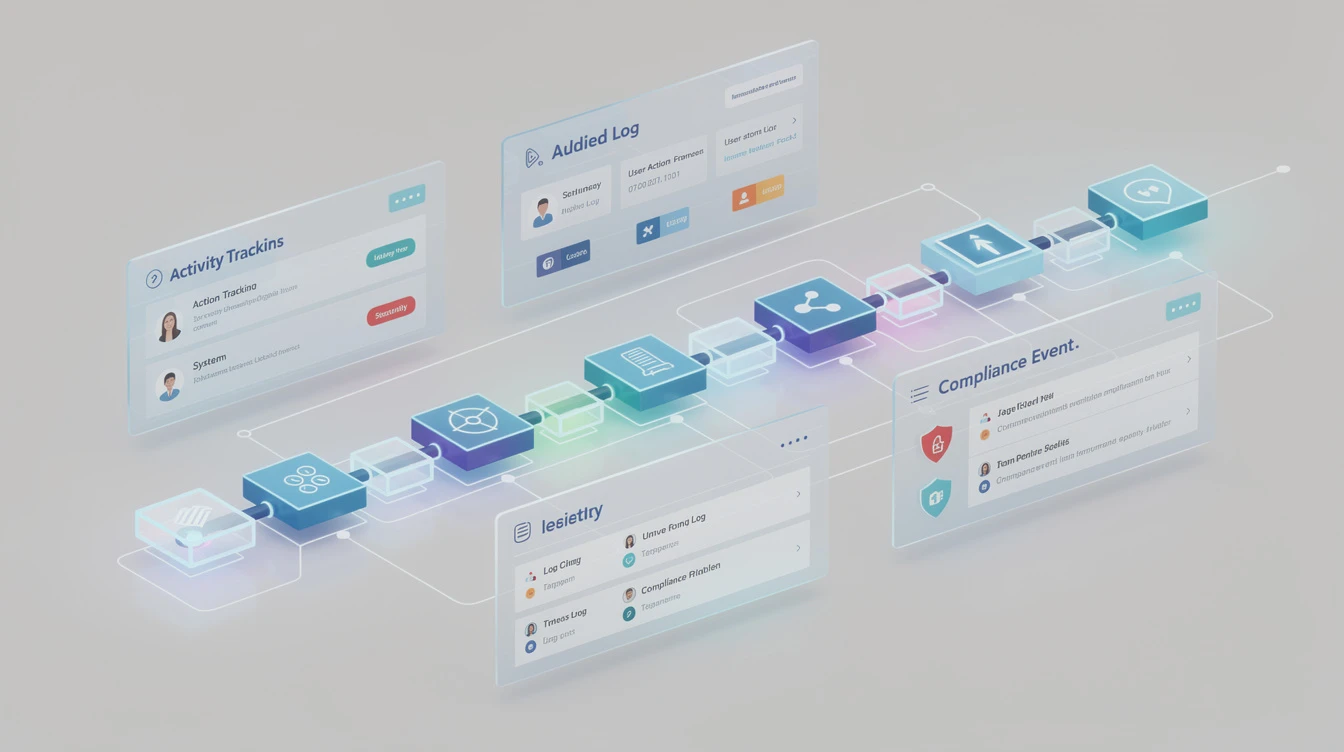
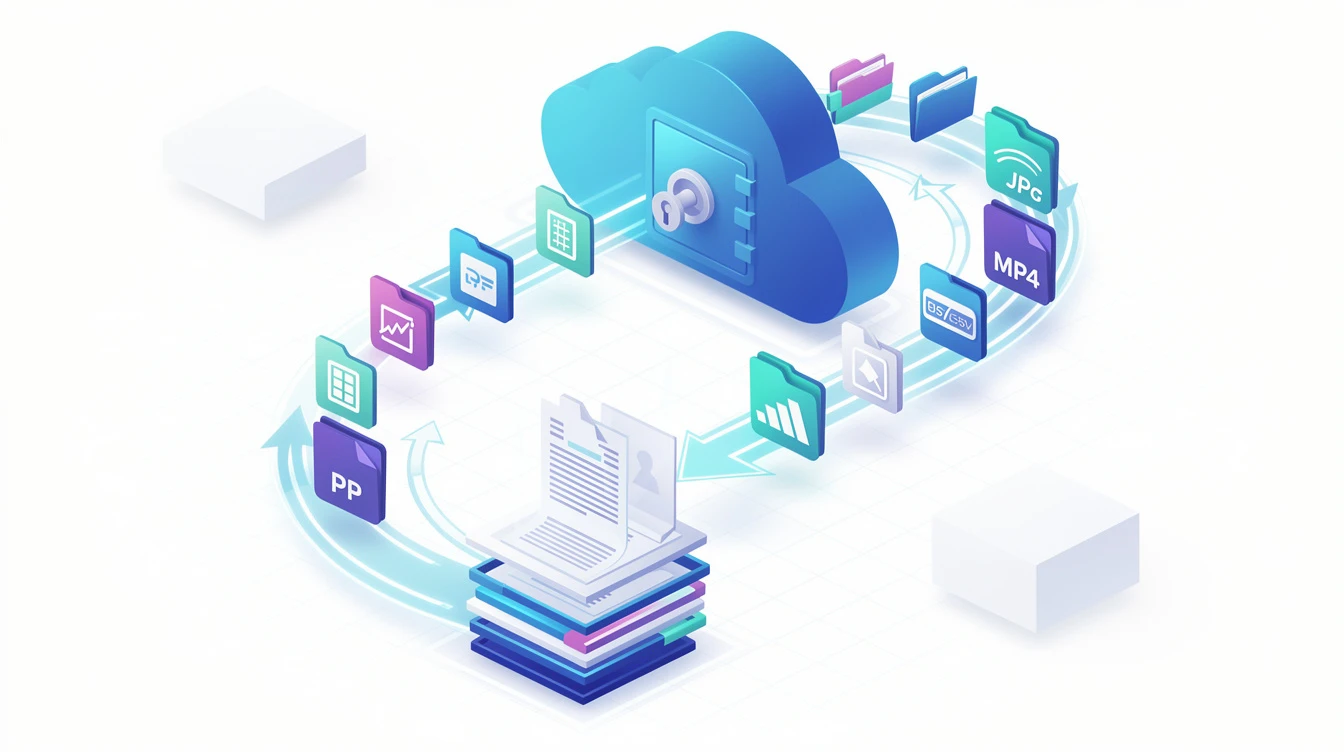
Uploading documents is a simple process. You can add PDFs, Word documents, web pages, and other common formats to your private knowledge plane. Each document goes through the same ingestion pipeline as public sources. The content is extracted, indexed semantically, and assigned a provenance record. When a private document appears in a CROWN receipt, it carries the same traceability as any public source, showing the document title, the specific passage cited, and when it was last updated.
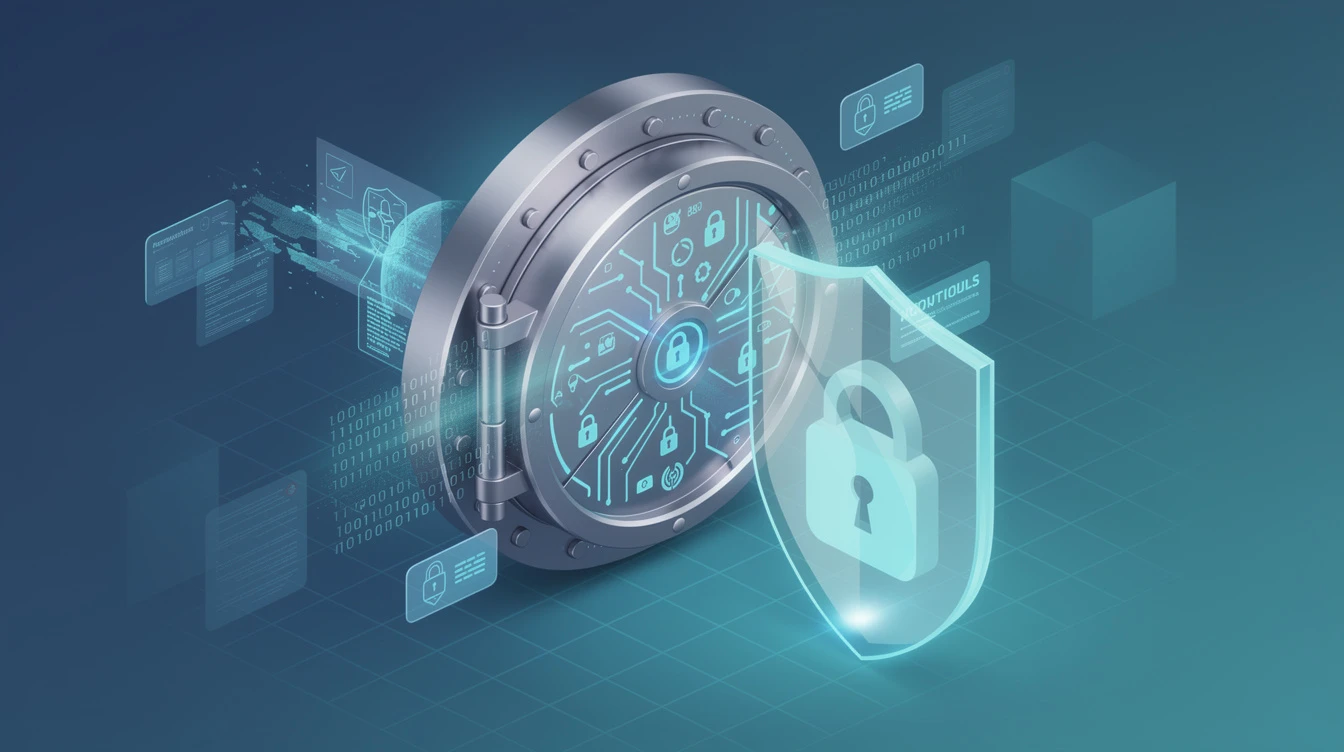
Privacy controls are comprehensive. Private knowledge planes are encrypted and tenant-isolated at the infrastructure level. Your documents are stored in your own partition, encrypted with keys that are not shared with other tenants. Even CueCrux personnel cannot access your private content without explicit authorization through a controlled process. The documents are never used for model training, never shared with other users, and never exposed through the public corpus.
For team accounts, private knowledge planes can be shared within the team with granular access controls. An administrator might create a knowledge plane for each client matter, with access restricted to the team members working on that matter. Or they might create a firm-wide knowledge plane for general reference materials accessible to everyone. The access control model supports the confidentiality requirements of professional services.
The search experience with private documents is seamless. When you ask a question, CueCrux searches both the public corpus and your private knowledge planes. Results from private sources are clearly marked so you can distinguish between public and private evidence. If an answer draws from both public regulations and your internal policies, the receipt shows which claims come from which sources.
Document management features let you organize your private knowledge. You can create folders, tag documents, and set retention policies. Document versioning tracks changes over time, and the system can alert you when a private document may be outdated relative to public sources that address the same topic. This version awareness helps keep your internal knowledge current.
Private knowledge planes are available on team and enterprise plans. The storage capacity scales with your plan, and additional capacity can be added as needed. Enterprise customers can connect external document repositories through integration APIs, allowing CueCrux to index large document collections without requiring manual uploads.
The combination of curated public sources and private knowledge creates a research environment that is both comprehensive and controlled. You get the breadth of public knowledge with the depth of your proprietary expertise, all within the same evidence-first framework. Your private documents enhance your research without ever leaving your secure environment.
For organizations evaluating CueCrux, the private knowledge plane is often the feature that transforms the platform from useful to essential. It is the difference between a good research tool and a research tool that knows your organization.